Mini Split Making Noise
A mini split that makes a noise it never made before — grinding, rattling, clicking or buzzing — is telling the truth about a specific fault. This post explains what each sound means and what fixes it.
Cape Coral Mini Split Pros · 2026-11-18 · Troubleshooting
The short version
Problem: Grinding or buzzing points to a worn fan motor or a fan that is hitting something.
What to do: Clicking points to a relay or a control board.
When to call: Rattling points to a loose panel or a loose mounting — and a noise that starts after a storm points to wind damage.
The quiet unit: what normal sounds like
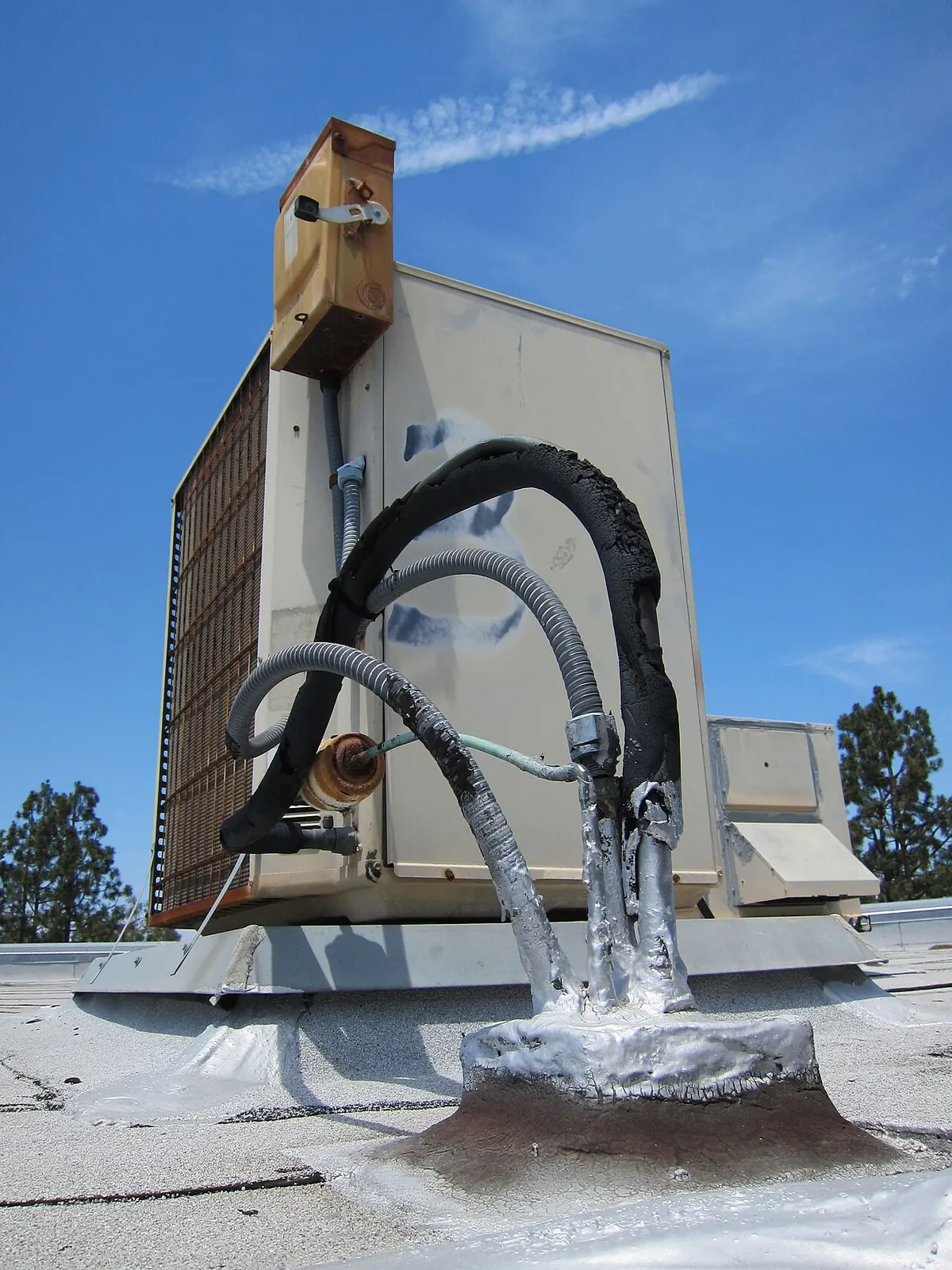
A mini split is quiet by design, and the quiet is the point. The indoor unit is a fan and a coil behind a panel, and the sound it makes is the air moving — a soft whoosh, louder on high fan and quieter on low. The outdoor unit is a compressor and a fan, and the sound it makes is a hum, steadier when the system is running steadily and louder when it starts. A unit that is quiet is a unit that is working, and a unit that makes a noise it never made before is a unit that is telling the truth about a fault.
The first step is to find where the noise comes from: the indoor unit or the outdoor unit. A noise from the indoor unit is a fan, a louvre, a panel, or the drain. A noise from the outdoor unit is a fan, a compressor, a mounting, or debris. The location narrows the fault, and the sound narrows it further — grinding, rattling, clicking and buzzing are four different faults, and each has its own fix.
Grinding and buzzing: the fan motor
Grinding or buzzing points to a worn fan motor or a fan that is hitting something. The indoor fan and the outdoor fan both have motors and bearings, and the bearings wear — slowly at first, so the noise starts quietly and gets louder over weeks, and then suddenly, when the bearing fails. A fan that is hitting something — a panel that has shifted, a piece of debris, a wire that has come loose — makes a rhythmic noise, once per revolution, and the rhythm is the clue.
The fix is a fan motor or a fan blade, and the diagnosis is by listening and by measurement. The motor is checked for wear, the fan is checked for balance and for clearance, and the panel is checked for fit. A fan motor that is grinding is a motor that is about to fail, and a motor that fails while the unit is running can take the control board with it. The repair page on this site explains the diagnosis order.
Clicking: the relay and the board
Clicking points to a relay or a control board. A relay is a switch that opens and closes, and it clicks when it does — one click when the unit starts, one click when it stops, is normal. A relay that clicks repeatedly, or a unit that clicks and does not start, is a relay that is failing or a board that is sending the wrong signal. The clicking is the sound of the system trying to start and failing, and trying again.
The fix is a relay or a control board, and the diagnosis is by measurement: the multimeter reads the voltage and the resistance, and the board is checked for heat damage and for failed components. A board that has taken a surge — from a power cut, from a storm, from a restart on a surge — is a board that clicks and does not start. The repair page on this site explains the diagnosis order, and the hurricane-prep guide explains why the system is switched off before a storm.
Rattling: the panel and the mounting
Rattling points to a loose panel or a loose mounting. The indoor unit has a front panel, a filter cover and a louvre, and any of them can loosen — a clip that has worn, a screw that has backed out, a panel that was not seated after a filter clean. The outdoor unit has a cabinet, a grille and a mount, and any of them can loosen — a bolt that has corroded in the salt air, a mount that has shifted in wind, a pad that has cracked.
The fix is usually simple: the panel is seated, the screw is tightened, the bolt is replaced. The check is the mounting, the bolts, the pad or bracket, and the clearance around the unit — and the anchoring is checked on every maintenance visit, because a mount that has loosened is a mount that will fail in the next storm. A rattle that starts after a storm is a rattle that points to wind damage, and the post-storm check covers the mounting first.
Hissing and gurgling: the refrigerant and the drain
Hissing points to the refrigerant circuit, and gurgling points to the drain. A hiss from the indoor unit or the line set is refrigerant escaping — a leak at a flare joint, at the coil, or at a valve — and the cooling has weakened with it. A hiss that is steady and quiet is a small leak; a hiss that is loud is a large one. Switch the unit off and call: a refrigerant leak is not a noise to live with, and a unit that is low on refrigerant and keeps running will damage the compressor.
Gurgling is the drain: water moving through a line that is partly blocked, or air in a line that is not falling. Algae and biofilm grow in the warm, dark, wet drain line and clog it, so the water gurgles as it forces its way through. The drain is flushed, the fall is checked, and the pan is checked for level. The leaking-water post on this site explains the drain picture in full.
When the noise starts after a storm
A noise that starts suddenly after a storm points to wind damage, and the post-storm check is the answer. The outdoor unit is checked for mounting, for a fan that is hitting a bent grille, for debris in the fan, and for a line set that took a knock. The indoor unit is checked for a panel that shifted, a louvre that is loose, and a drain that is blocked by debris. The check is done before the system runs again — water and electrical equipment do not mix, and a unit that shifted in wind is a unit that will leak refrigerant.
The hurricane-prep guide on this site covers the post-storm check in full: the mounting, the line set, the drain and the electrical, and the pressure test before the system is recharged. A noise that starts after a storm is not a noise to wait out — it is the sound of damage, and the damage is found by the check, not by running the unit to see if the noise goes away.
The sound check on a maintenance visit
The maintenance visit is the moment a noise is caught before it becomes a fault. The indoor fan and the outdoor fan are checked for wear, the panels are checked for fit, the mounting is checked for looseness, and the electrical connections are checked for tightness and heat damage. A fan motor that is starting to grind is a motor that is about to fail, and a motor that fails while the unit is running can take the control board with it. A bolt that has corroded in the salt air is a bolt that snaps, and a mount that has loosened is a mount that will fail in the next storm.
The owner check between visits is simpler: listen for a noise the unit never made before, and note where it comes from — the indoor unit or the outdoor unit. A noise from the indoor unit is a fan, a louvre, a panel, or the drain. A noise from the outdoor unit is a fan, a compressor, a mounting, or debris. The location narrows the fault, and the sound narrows it further. The repair page on this site explains the diagnosis order.
Related: Mini split repair · How a mini split works · mini split help in Cape Coral, FL
Related reading
 Troubleshooting
Mini Split Not Cooling in Cape Coral, FL
A mini split that will not cool in Cape Coral, FL is usually telling the truth about a short list of faults. This post walks through the causes in the order they are checked — mode, filter, coil, drain, then refrigerant.
 Troubleshooting
Why Your Mini Split Smells
A mini split that smells musty, sour or chemical when it starts is telling the truth about a specific fault. This post explains what each smell means — the coil, the drain, or the refrigerant — and what fixes it.
 Troubleshooting
Mini Split Leaking Water in Cape Coral, FL
Water on the floor under a mini split in Cape Coral, FL is usually a blocked drain — algae and biofilm in the warm, dark, wet line. This post explains the drain, the pan, the level, and why water outside the house is normal and water inside is not.
Frequently asked questions
Questions people ask about this topic, answered plainly.
A worn fan motor or a fan that is hitting something — a panel that has shifted, a piece of debris, a wire that has come loose. Grinding starts quietly and gets louder over weeks, and then suddenly, when the bearing fails. The motor is checked for wear and the fan for balance and clearance. The repair page explains the diagnosis order.
A loose panel or a loose mounting. The indoor unit has a front panel, a filter cover and a louvre, and any of them can loosen. The outdoor unit has a cabinet, a grille and a mount, and a bolt that has corroded in the salt air is a bolt that snaps. The panel is seated, the screw is tightened, the bolt is replaced.
A relay or a control board. A relay that clicks repeatedly, or a unit that clicks and does not start, is a relay that is failing or a board that is sending the wrong signal. The board is checked for heat damage and for failed components — a board that has taken a surge is a board that clicks and does not start.
Refrigerant escaping — a leak at a flare joint, at the coil, or at a valve. Switch the unit off and call. A hiss that is steady and quiet is a small leak; a hiss that is loud is a large one. The leak is found with a leak detector before any refrigerant is added.
The drain: water moving through a line that is partly blocked, or air in a line that is not falling. Algae and biofilm grow in the warm, dark, wet drain line and clog it, so the water gurgles as it forces its way through. The drain is flushed and the fall is checked. The leaking-water post explains the drain picture.
A worn outdoor fan motor, a fan that is hitting a bent grille, or a contactor that is buzzing. The outdoor unit is checked for the fan, the grille and the electrical — a contactor that buzzes is a contactor that is failing, and a fan that buzzes is a fan that is about to fail. The repair page explains the diagnosis order.
It depends on the noise. A rattle from a loose panel can wait for the call. Grinding, hissing, or a burning smell mean switch it off — a grinding motor can take the board with it, a hiss is a refrigerant leak, and a burning smell is electrical. When in doubt, switch it off and call. The repair page explains the order.
Still have questions?
Call Now to reach a local mini split professional — describe the room, the system, and what is happening.
Call now for mini split help
Tap Call Now to reach a local mini split professional. Tell them which room, what the unit is doing, and when it started.
Hours: Mon–Fri 7:00 AM–10:00 PM ET · Sat 8:00 AM–10:00 PM ET · Sun 7:00 AM–9:00 PM ET
Before you call
- Note which room the unit serves and what it is doing — or not doing.
- Check the remote: mode, temperature setting, and whether the display responds.
- Look at the indoor filter and the outdoor unit for leaves, dirt or standing water.
- Note when the problem started and whether it followed a storm or a power outage.
- Check whether your HOA or condo association needs to approve outdoor equipment.