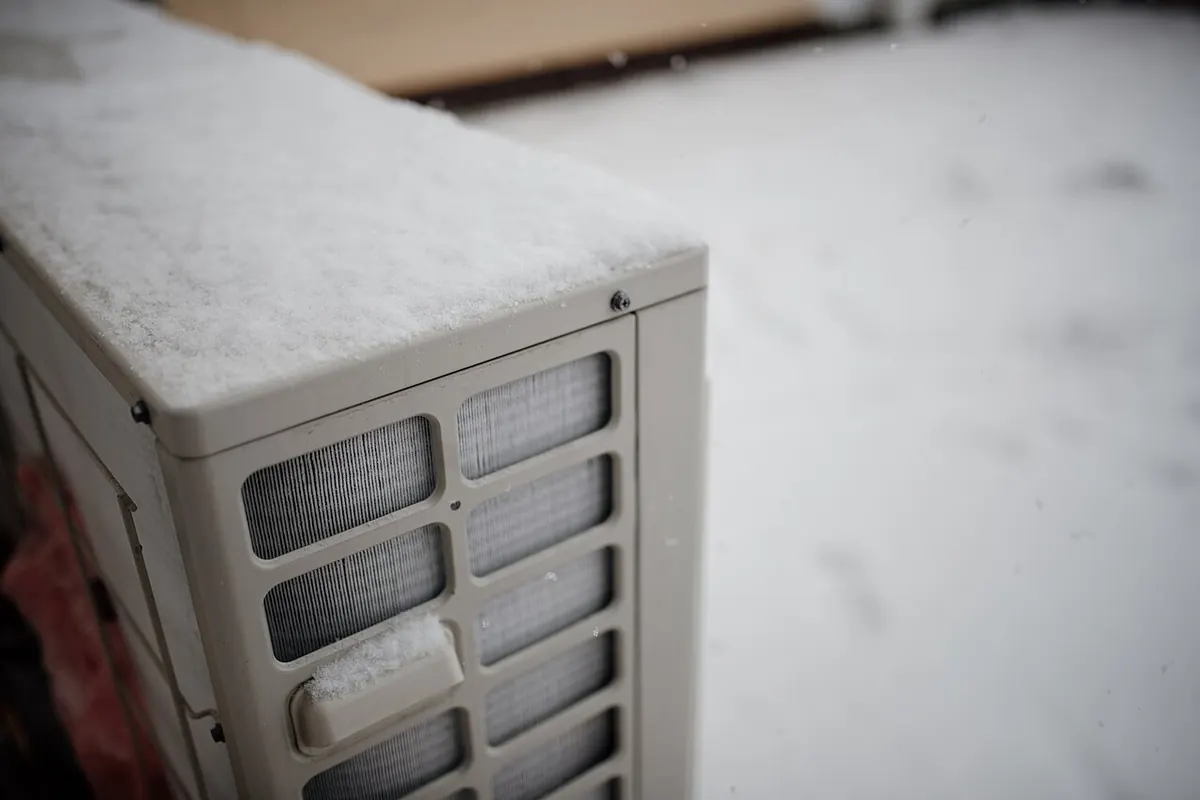
Mini Split Salt-Air Corrosion in Cape Coral, FL
Cape Coral, FL is a canal city on the Gulf, and salt air is the hardest thing a mini split outdoor unit faces. This post explains what salt air does to the coil, how to spot the early signs, and what coastal protection actually does.
Cape Coral Mini Split Pros · 2026-11-18 · Salt Air
The short version
Problem: Salt air corrodes the outdoor coil and fasteners — Florida HVAC sources put unprotected coil life at 3 to 7 years within 10 to 15 miles of salt water.
What to do: Early signs: white crust on the fins, fins that crumble when touched, refrigerant stains at the coil.
When to call: Coastal protection — coated coils and cabinets, corrosion-resistant fasteners, and a rinse on every visit — slows it down.
Why Cape Coral, FL is hard on outdoor units
Cape Coral, FL is a canal city on the Gulf, with more than 400 miles of canals and a waterfront that reaches into almost every neighbourhood. The air carries salt — from the Gulf, from the canals, from the wind off the water — and the outdoor unit of a mini split lives in that air every day. Salt is corrosive to the metals a coil is made of, and the corrosion works faster in humid air than in dry air, which is why a coastal Florida home is harder on an outdoor unit than a coastal home in a dry climate.
The outdoor coil is the part that takes the damage. It is aluminium fins on copper tubes, thin metal with a large surface area, designed to move heat into the outdoor air. Salt sits on the fins and holds moisture against the metal, and the metal corrodes — first as a white crust, then as pitting, then as fins that crumble when touched. A corroded coil does not transfer heat well, so the cooling weakens, and a corroded coil leaks refrigerant, so the cooling weakens further.
How long a coil lasts in salt air
Florida HVAC sources put unprotected coil life at 3 to 7 years within 10 to 15 miles of salt water. That range is wide because the exposure is wide: a home on a Gulf-access canal, a home on the river, a home a few miles inland, and a home on a barrier island are all within the range, but they are not the same exposure. A home on Sanibel or Matlacha, water on both sides, is at the short end. A home inland in Lehigh Acres is at the long end. A canal-front home in Cape Coral, FL sits in the middle.
The difference between 3 years and 7 years is often the protection and the rinsing. A coil with coastal corrosion protection — a coated coil, a coated cabinet, corrosion-resistant fasteners — lasts longer than an unprotected coil in the same spot. A coil that is rinsed on every maintenance visit lasts longer than a coil that is not, because the rinse washes the salt off the fins before it holds moisture against the metal. Protection and rinsing do not stop corrosion, but they slow it, and the difference is measured in years.
The early signs on the outdoor unit
The early signs are visible, and they are worth looking for. White crust on the fins is the first: a powdery white deposit on the aluminium, where the salt has sat and the metal has started to corrode. Fins that feel rough and crumbly when touched are the second: the aluminium is pitting, and the fin is losing its structure. Refrigerant stains at the coil are the third: an oily stain where the refrigerant has leaked from a corroded tube, and the cooling has weakened with it.
The fasteners are the next place to look. The cabinet screws, the mounting bolts and the fan hardware corrode in salt air, and a corroded bolt is a bolt that snaps — which is why the anchoring is checked on every maintenance visit. A unit that has shifted on a corroded mount is a unit that will leak refrigerant, because the line set is copper and the flare joints are the weak point. The corrosion post on this site is the checklist; the maintenance visit is the moment it is used.
What coastal protection actually does
Coastal corrosion protection is a coating, not a magic shield. The coil is coated — a polymer or epoxy coating on the fins and tubes — so the salt sits on the coating rather than on the metal. The cabinet is coated too, and the fasteners are corrosion-resistant, usually stainless steel or coated. The coating slows the corrosion; it does not stop it, and it needs the rinse to work: a coated coil that is never rinsed still collects salt, and the salt still holds moisture against the coating.
Placement is the other half of the protection. The outdoor unit is placed out of direct salt spray where possible, with clearance on all sides for airflow and for service, and anchored to a wind-rated mount with corrosion-resistant hardware. A unit that sits in direct spray corrodes faster than one that does not, and a unit that has no clearance cannot be rinsed properly. The install is the moment the protection is decided, and the maintenance visit is the moment it is kept up.
The rinse: the habit that matters most
The rinse is a hose and a rinse nozzle, washing salt off the fins and the cabinet, and it is the habit that matters most after the coating. Salt sits on the fins and holds moisture against the metal, and the corrosion works faster in the humid air after a storm than in the dry air before it. A coil that is rinsed on every maintenance visit lasts longer than a coil that is not, and the difference is measured in years.
The rinse is done on the maintenance visit, and it is done after a hurricane as part of the post-storm check — because a hurricane is salt water and wind together, and the outdoor unit is coated in salt when the storm passes. The rinse is gentle: a hose, not a pressure washer, because a pressure washer bends the fins, and bent fins do not transfer heat. The fin comb straightens any fins that have been bent, and the coil is inspected while it is rinsed.
When corrosion means replacement
A corroded coil that leaks refrigerant is the fault that most often turns a repair into a replacement. A leak at a flare joint or a valve can be repaired: the joint is remade, the system is pressure-tested, vacuumed and recharged. A leak at a corroded coil is different — the coil itself is failing, and the coil is the part that cannot be patched. A new coil on an old unit is possible, but the comparison is between a coil on an ageing unit and a new system with a fresh manufacturer parts coverage period.
The decision is made by the assessment, and it turns on three things: the age of the unit, the extent of the corrosion, and the repair history. A young unit with a small leak at a joint is a repair. An old unit with a corroded coil, weakening cooling and a rising repair frequency is a replacement. The replacement page on this site explains how the decision is made, and the corrosion post is the checklist that starts it.
The maintenance calendar for a salt-air home
A salt-air home runs on a calendar, and the calendar is the rinse and the visit. The outdoor coil is rinsed on every maintenance visit, and rinsed more often by the owner where the unit sits near salt water — a hose and a rinse nozzle, washing salt off the fins and the cabinet, never a pressure washer, because a pressure washer bends the fins. The maintenance visit is once a year at minimum, and twice a year for a unit that runs most of the year or sits near salt water. The visit covers the coil, the cabinet, the fasteners, the fan, the pressures and the electrical.
The calendar also covers the filter, which is the owner job between visits. The filter comes out from behind the front panel, rinses under a tap, dries completely, and goes back in — every few weeks in a Florida home, and more often with pets or dust. A filter that is cleaned every few weeks keeps the coil clean, and a clean coil keeps the drain clear. The maintenance page on this site explains the filter, coil and drain routine in full, and the corrosion post is the checklist that starts it.
Related: Mini split maintenance · Mini split humidity guide · mini split help in Cape Coral, FL
Related reading
 Hurricanes
Hurricane Ian Mini Split Lessons for Cape Coral, FL
Ian made landfall on Cayo Costa on September 28, 2022, at about 150 mph, a direct hit on Cape Coral, FL. This post is what the storm taught about mini splits: anchoring, elevation, and the post-storm check.
 Troubleshooting
Mini Split Not Cooling in Cape Coral, FL
A mini split that will not cool in Cape Coral, FL is usually telling the truth about a short list of faults. This post walks through the causes in the order they are checked — mode, filter, coil, drain, then refrigerant.
 Troubleshooting
Mini Split Leaking Water in Cape Coral, FL
Water on the floor under a mini split in Cape Coral, FL is usually a blocked drain — algae and biofilm in the warm, dark, wet line. This post explains the drain, the pan, the level, and why water outside the house is normal and water inside is not.
Frequently asked questions
Questions people ask about this topic, answered plainly.
Florida HVAC sources put unprotected coil life at 3 to 7 years within 10 to 15 miles of salt water. A home on a Gulf-access canal in Cape Coral, FL is inside that range. A coil with coastal corrosion protection and a rinse on every maintenance visit lasts longer than an unprotected coil in the same spot — the difference is measured in years.
White crust on the fins, fins that feel rough and crumbly when touched, and refrigerant stains at the coil — an oily stain where the refrigerant has leaked from a corroded tube. The cabinet screws and mounting bolts corrode too. The maintenance visit is the moment the coil, the cabinet and the fasteners are inspected.
A leak at a flare joint or a valve can be repaired. A leak at a corroded coil is different — the coil itself is failing, and that is the fault that most often turns a repair into a replacement. The repair page on this site explains the diagnosis order, and the replacement page explains how the decision is made.
A coating on the coil and the cabinet, so the salt sits on the coating rather than on the metal, and corrosion-resistant fasteners. The coating slows the corrosion; it does not stop it, and it needs the rinse to work. Placement matters too: out of direct salt spray where possible, with clearance for airflow and for service.
A gentle rinse with a hose is the right habit — washing salt off the fins and the cabinet. Never use a pressure washer: it bends the fins, and bent fins do not transfer heat. The rinse is done on the maintenance visit, and after a hurricane as part of the post-storm check. The maintenance page explains the routine.
Less. The indoor unit lives inside, out of the salt air, and the salt that reaches it comes in on the air through doors and windows. The indoor coil and filter are affected by humidity and dust more than by salt. The outdoor unit is the part that lives in the weather, and in Cape Coral, FL that weather is salt air and hurricanes.
Almost certainly, if it is near the Gulf or on a saltwater canal. Florida HVAC sources put the range at 10 to 15 miles from salt water, and Cape Coral, FL is a canal city on the Gulf — most homes are inside it. A home on a barrier island is at the short end of the range, and a home inland is at the long end. The assessment looks at the exposure and the unit.
Still have questions?
Call Now to reach a local mini split professional — describe the room, the system, and what is happening.
Call now for mini split help
Tap Call Now to reach a local mini split professional. Tell them which room, what the unit is doing, and when it started.
Hours: Mon–Fri 7:00 AM–10:00 PM ET · Sat 8:00 AM–10:00 PM ET · Sun 7:00 AM–9:00 PM ET
Before you call
- Note which room the unit serves and what it is doing — or not doing.
- Check the remote: mode, temperature setting, and whether the display responds.
- Look at the indoor filter and the outdoor unit for leaves, dirt or standing water.
- Note when the problem started and whether it followed a storm or a power outage.
- Check whether your HOA or condo association needs to approve outdoor equipment.