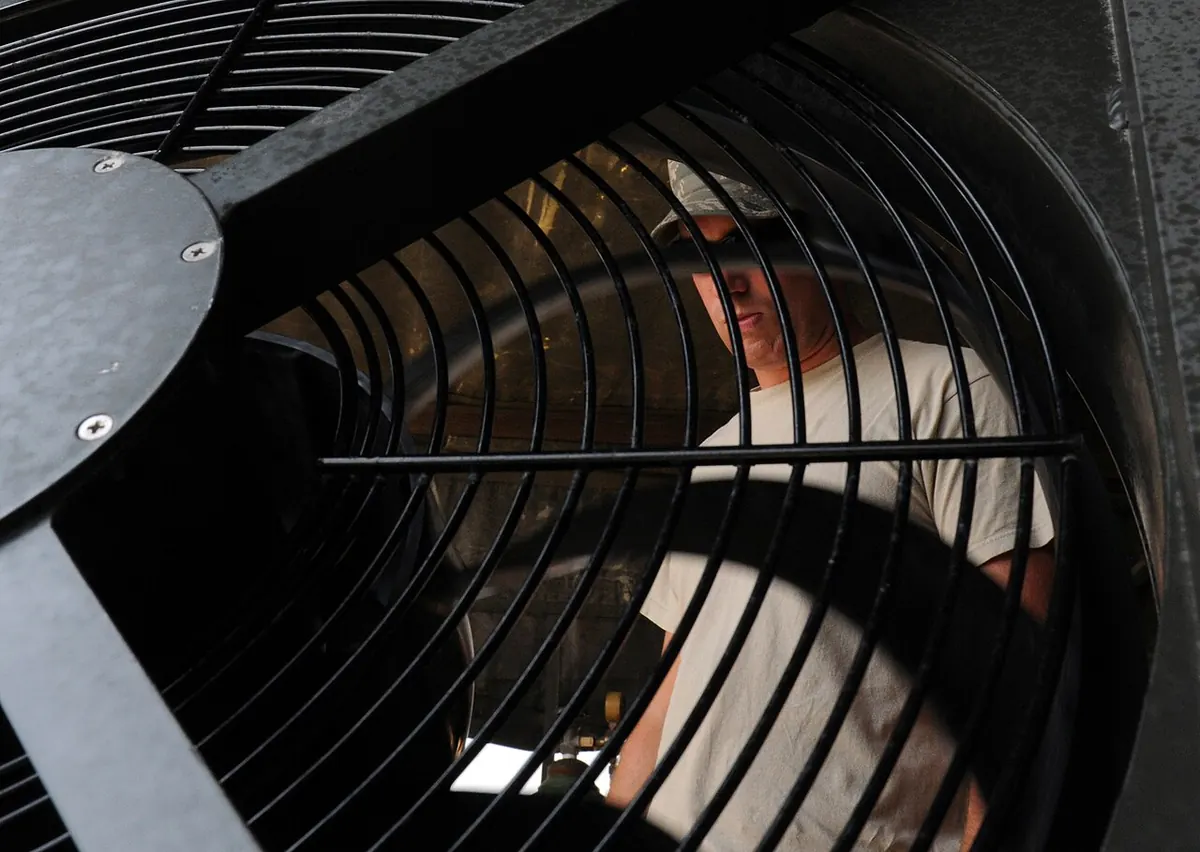
Mini Split Leaking Water in Cape Coral, FL
Water on the floor under a mini split in Cape Coral, FL is usually a blocked drain — algae and biofilm in the warm, dark, wet line. This post explains the drain, the pan, the level, and why water outside the house is normal and water inside is not.
Cape Coral Mini Split Pros · 2026-11-18 · Troubleshooting
The short version
Problem: Water dripping outside is normal — that is the condensate drain working.
What to do: Water on the floor inside is a fault: a blocked drain, a cracked pan, or a unit that is not level.
When to call: Algae and biofilm grow in the warm, dark, wet drain line and clog it — the line is flushed on a maintenance visit.
Water outside is normal, water inside is not
A mini split dehumidifies as it cools: warm, humid room air hits the cold indoor coil, moisture condenses on the coil, and the water drips into the drain pan and runs out through the drain line. The water that drips outside the house is the condensate drain working — it is supposed to drip outside, and a steady drip on a humid day is a sign that the unit is dehumidifying well. The water that appears on the floor inside the house is the fault.
The difference is the route. Condensate that reaches the drain line leaves the house. Condensate that cannot reach the drain line — because the line is blocked, because the pan is cracked, because the unit is not level — backs up into the indoor unit and comes out on the floor. The first sign is often a small damp patch under the indoor unit, or water on the wall below it. The second sign is a musty smell, because the water that backs up sits in the pan and grows.
The drain line: algae and biofilm
The drain line is the most common cause of water on the floor from a mini split in a Florida home, and the cause is growth. Algae and biofilm grow in the warm, dark, wet line and clog it — a living blockage, not a mechanical one. The line is narrow, the water in it is warm, and the Florida climate is humid, so the growth is fast. A drain that was clear a year ago can be clogged now, and a drain that is clogged backs water up into the indoor unit.
The drain line is flushed on a maintenance visit, and the fall is checked so water runs downhill away from the house. A drain that keeps clogging between visits may have too little fall, a sag in the line, or a pump that is failing. The flush is a drain flush kit, not a chemical poured into the unit — the line is cleared from the outside, and the pan is checked at the same time.
The drain pan and the level
The drain pan sits under the indoor coil, and it catches the condensate that drips off the coil. A pan that is cracked leaks, and a pan that is not level holds water instead of draining it. The indoor unit is kept level with a level during the install, so the pan drains — and a unit that has shifted on its mount, or a wall that has moved, is a unit whose pan no longer drains. The pan is checked for level and for cracks on a maintenance visit, and on a repair call when water is the symptom.
A ceiling cassette drain often needs a pump, because the unit sits in the ceiling and the drain has to lift before it can fall. The pump is tested during the install and checked on every maintenance visit, because a failed pump is a cassette that leaks into the ceiling. A wall unit with a pump has the same rule: the pump is the part that moves the water, and a pump that fails is a unit that leaks.
The ice and the water
Ice on the indoor coil and water on the floor are two symptoms of the same family of faults, and they often arrive together. A unit that is icing up is usually low on refrigerant or starved of airflow, and when the ice melts it overwhelms the drain — more water than the pan and the line were made to carry, all at once. The floor gets wet, and the owner concludes that the drain is the fault, when the fault is the ice.
Switch the unit off when it is icing up. A unit that is icing up and keeps running will damage the compressor, and the water from the melting ice will keep coming. The diagnosis checks the airflow first — the filter and the coil — then the refrigerant circuit. The not-cooling post on this site explains the ice picture in full.
What the repair looks like
The repair follows the diagnosis, and the diagnosis follows the order: power and control, airflow, drain, then refrigerant. The drain is flushed, the pan is checked for level and for cracks, and the fall of the line is checked so water runs downhill away from the house. A drain pump, where one is fitted, is tested. The line is flushed clear of algae and biofilm, and the indoor unit is checked for level.
The repair is also the moment the cause is found, not just the symptom. A drain that clogs every few months has a cause: too little fall, a sag in the line, a pump that is failing, or a unit that is not level. The cause is fixed, not just the clog — because a drain that is flushed without fixing the cause will clog again, and the floor will get wet again.
Prevention: the maintenance visit
The drain is the most preventable fault on a mini split in a Florida home, and the maintenance visit is the prevention. The drain line is flushed on every visit, the fall is checked, the pan is checked for level and for cracks, and a drain pump is tested where one is fitted. A drain that is flushed once a year and a filter that is cleaned every few weeks are the two habits that keep a Florida mini split out of the repair list.
The owner habit is the filter: it comes out from behind the front panel, rinses under a tap, dries completely, and goes back in. A clean filter keeps the coil clean, and a clean coil keeps the drain clear — because the dust that clogs the filter is the dust that coats the coil, and the growth that clogs the drain starts on the coil. The maintenance page on this site explains the filter, coil and drain routine.
The owner check between visits
Between maintenance visits, the owner check is simple: look under the indoor unit, and look at the drain outside. A damp patch under the indoor unit, or water on the wall below it, is the first sign of a blocked drain — and the earlier it is caught, the less it damages. The drain outside should drip on a humid day, when the unit is dehumidifying well. A drain that has stopped dripping on a humid day is a drain that may be blocked, and the call is made before the water comes inside.
The filter is the other owner check: it comes out from behind the front panel, rinses under a tap, dries completely, and goes back in — every few weeks in a Florida home. A clean filter keeps the coil clean, and a clean coil keeps the drain clear, because the dust that clogs the filter is the dust that coats the coil, and the growth that clogs the drain starts on the coil. The maintenance page on this site explains the filter, coil and drain routine.
Related: Mini split repair · Mini split humidity guide · mini split help in Cape Coral, FL
Related reading
 Troubleshooting
Mini Split Not Cooling in Cape Coral, FL
A mini split that will not cool in Cape Coral, FL is usually telling the truth about a short list of faults. This post walks through the causes in the order they are checked — mode, filter, coil, drain, then refrigerant.
 Troubleshooting
Why Your Mini Split Smells
A mini split that smells musty, sour or chemical when it starts is telling the truth about a specific fault. This post explains what each smell means — the coil, the drain, or the refrigerant — and what fixes it.
 Troubleshooting
Mini Split Making Noise
A mini split that makes a noise it never made before — grinding, rattling, clicking or buzzing — is telling the truth about a specific fault. This post explains what each sound means and what fixes it.
Frequently asked questions
Questions people ask about this topic, answered plainly.
Usually a blocked drain line — algae and biofilm grow in the warm, dark, wet line and clog it, so condensate backs up into the indoor unit. A drain pan that is cracked, or an indoor unit that is not level, does the same. The drain is flushed, the pan is checked, and the fall of the line is checked. This post explains the full picture.
Yes. That is the condensate drain working: moisture condenses on the cold indoor coil and runs out through the drain line. A steady drip outside on a humid day is a sign that the unit is dehumidifying well. Water on the floor inside is the fault — it means the drain is blocked, the pan is cracked, or the unit is not level.
Algae and biofilm grow in the warm, dark, wet drain line and clog it. The line is flushed on a maintenance visit, and the fall is checked so water runs downhill away from the house. A drain that keeps clogging between visits may have too little fall, a sag in the line, or a pump that is failing.
Yes. Water on the floor rots drywall and flooring, and water that sits in the pan grows mould and bacteria — which is the musty smell that comes with a leaking unit. Switch the unit off and call promptly. A leak that is left is a leak that gets worse, and the damage spreads beyond the unit.
Because the ice is the fault and the water is the symptom. A unit that is icing up is usually low on refrigerant or starved of airflow, and when the ice melts it overwhelms the drain — more water than the pan and the line were made to carry, all at once. Switch it off. The not-cooling post explains the ice picture.
Not when the drain is right. A cassette drain often needs a pump, because the unit sits in the ceiling and the drain has to lift before it can fall. The pump is tested during the install and checked on every maintenance visit. A failed pump is a cassette that leaks into the ceiling, which is why the pump is checked.
Flush the drain on a maintenance visit, once a year, and clean the filter every few weeks. A clean filter keeps the coil clean, and a clean coil keeps the drain clear. The fall of the line is checked so water runs downhill away from the house. The maintenance page on this site explains the routine.
Still have questions?
Call Now to reach a local mini split professional — describe the room, the system, and what is happening.
Call now for mini split help
Tap Call Now to reach a local mini split professional. Tell them which room, what the unit is doing, and when it started.
Hours: Mon–Fri 7:00 AM–10:00 PM ET · Sat 8:00 AM–10:00 PM ET · Sun 7:00 AM–9:00 PM ET
Before you call
- Note which room the unit serves and what it is doing — or not doing.
- Check the remote: mode, temperature setting, and whether the display responds.
- Look at the indoor filter and the outdoor unit for leaves, dirt or standing water.
- Note when the problem started and whether it followed a storm or a power outage.
- Check whether your HOA or condo association needs to approve outdoor equipment.