Mini Split for Hospitality & Restaurants in Cape Coral, FL
A dining room, a guest room or a kitchen in Cape Coral, FL needs cooling that holds through dinner service and the night — zone by zone, quiet, and out of sight. A mini split cools each space on its own temperature, with a ceiling cassette where the room is large.
Need help with mini split?
Call Now to reach a local mini split professional. Describe the room, the system, and what is happening.
Hours: Mon–Fri 7:00 AM–10:00 PM ET · Sat 8:00 AM–10:00 PM ET · Sun 7:00 AM–9:00 PM ET
The dining room at dinner
A dining room in Cape Coral, FL has to stay cool at dinner, when the room is full, the kitchen is hot, and the sun has been on the glass all afternoon. The load is people, lights, cooking heat that drifts in from the kitchen, and the glass on the waterfront side. A wall unit in a large dining room throws air in one direction and leaves the far tables warm; a ceiling cassette throws air in four directions from the middle of the ceiling, so the room is covered evenly.
A cassette sits in the ceiling, with only a flat grille visible below the ceiling line, so the dining room keeps its look — no unit on the wall, no blocked view, no noise from a compressor in the room. The compressor is outside, in the outdoor unit, and the sound in the room is the air moving. The cassette service page on this site explains the four-way throw and the ceiling check.
Guest rooms: one room, one temperature
A guest room needs its own temperature, and a guest who can set it is a guest who does not call the front desk. A single-zone mini split in each guest room gives the guest the remote — the mode, the set temperature, the fan speed — and the room holds its own temperature through the night. A guest room that is used for a few nights and empty for a few more is a single-zone system that runs when the room is occupied and idles when it is not.
Dry mode is the mode that matters most in a guest room, because a room that is used for a few nights is a room where the humidity builds fast. Dry mode runs the coil cold and the fan slow, so moisture condenses on the coil and drains away, and the room feels cooler without getting much colder. The humidity guide on this site explains the dehumidification picture in full.
The kitchen and the back of house
The kitchen is the hottest room in a restaurant, and it is the room where a mini split is sized to the load, not to the floor area. The cooking equipment, the lights, the people, and the door that opens and closes all day — each adds load, and the unit is sized to the sum of them. A kitchen mini split is a unit that runs hard, and the filter is cleaned more often, because a kitchen loads the filter with grease and dust faster than a bedroom.
The back of house — the office, the storage, the staff room — needs its own zones, and a multi-zone system runs them from one outdoor unit, each space with its own temperature. The office needs cooling during the day, the storage needs nothing at all, and the staff room needs cooling on a break. The multi-zone service page on this site explains the design and the same-mode rule.
Salt air, hurricanes and the waterfront
A waterfront restaurant or hotel in Cape Coral, FL lives in salt air, and the outdoor unit is the part that lives in it. Florida HVAC sources put unprotected coil life at 3 to 7 years within 10 to 15 miles of salt water, and a waterfront property is inside that range, closer to the short end of it. The outdoor unit gets coastal corrosion protection — coated coils, coated cabinets and corrosion-resistant fasteners — and it is rinsed on every maintenance visit.
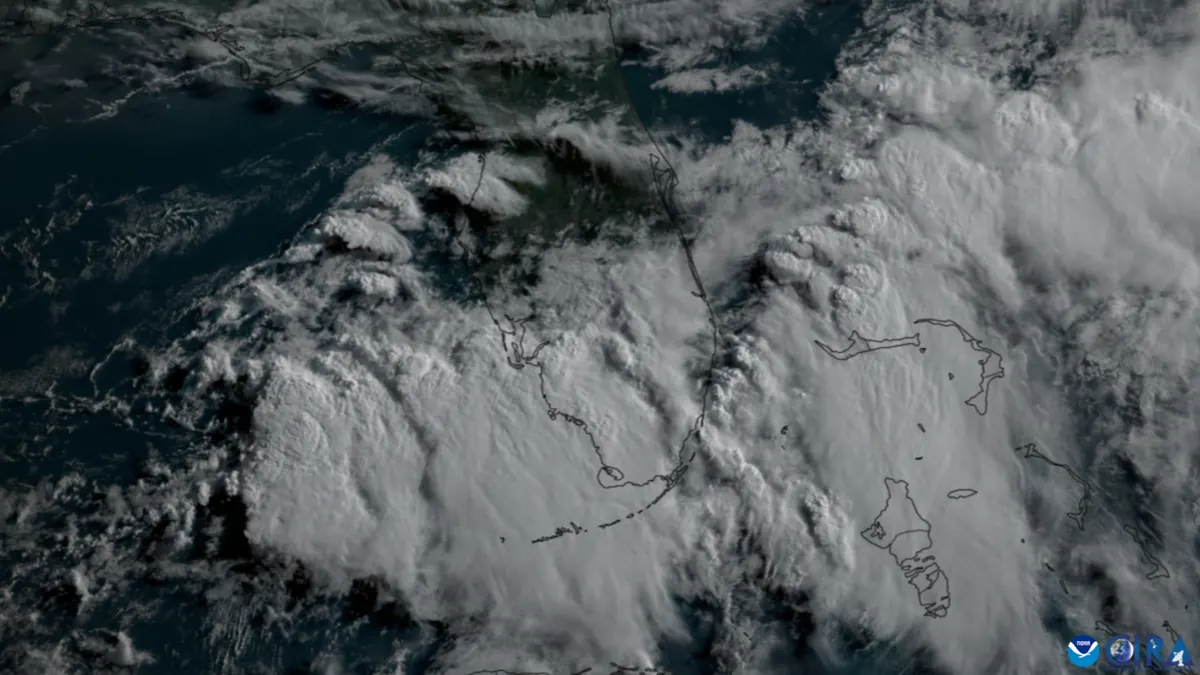
Ian made landfall on Cayo Costa on September 28, 2022, at about 150 mph, a direct hit on this area, and the outdoor units that survived were the ones that were anchored to wind-rated mounts and elevated above expected flood levels. The hurricane-prep guide on this site covers the full checklist, and the post-storm check is the rule after any major storm: the system is switched off and checked before it runs again.
Permits, hours and the work around guests
A hospitality mini split needs a mechanical permit and usually a separate electrical permit for the new dedicated circuit and disconnect, pulled before work starts, and the inspection closes them after. Inside Cape Coral city limits the permits go through the City of Cape Coral; in unincorporated Lee County they go through Lee County Community Development and the eConnect system. Permits should be pulled by a state-certified or state-registered contractor under Florida Statutes Chapter 489.
The work is scheduled around the guests and the service: the install is done when the room is empty, the dining room is not cooled during dinner, and the noise is kept out of the hours when the property is full. The handover explains the remote, the modes and the filter, and the maintenance visit is scheduled before the season starts, so the rooms are ready when the guests arrive.
The season and the service
A hospitality property in Cape Coral, FL runs on the season, and the maintenance visit is scheduled before it. The visit covers the indoor coil, the drain, the outdoor coil and cabinet, the fan, the refrigerant pressures, the electrical connections, and the remote and the modes — so the dining room, the guest rooms and the kitchen are ready when the guests arrive. The filter is cleaned more often in a kitchen, because a kitchen loads the filter with grease and dust faster than a bedroom.
After a major storm, the post-storm check is the rule: the system is switched off and checked before it runs again — the mounting, the line set, the drain and the electrical — and the outdoor unit is rinsed, because a hurricane is salt water and wind together. A property that is checked after the storm is a property that opens again without a surprise. The hurricane-prep guide on this site covers the full checklist, and the maintenance page explains the routine.
Services used most
Ceiling Cassette Mini Split · Multi-Zone Mini Split · Single-Zone Mini Split · Mini Split Maintenance · Mini Split Repair
Where we work
Fort Myers, FL · Sanibel, FL · Bonita Springs, FL · Naples, FL · Matlacha, FL · Pine Island, FL
Frequently asked questions
Questions people ask about mini splits for hospitality & restaurants, answered plainly.
Yes. A dining room needs even coverage, and a ceiling cassette throws air in four directions from the middle of the ceiling, so the room is covered evenly — where a wall unit throws air in one direction and leaves the far tables warm. The cassette sits in the ceiling, with only a flat grille visible. The cassette service page explains the ceiling check.
Yes. A guest room needs its own temperature, and a single-zone mini split gives the guest the remote — the mode, the set temperature, the fan speed. A guest room that is used for a few nights and empty for a few more is a single-zone system that runs when the room is occupied and idles when it is not.
Yes, sized to the load. A kitchen carries a bigger load than a dining room of the same size — the cooking equipment, the lights, the people, and the door that opens and closes all day. The load check counts all of it, and the filter is cleaned more often, because a kitchen loads the filter faster than a bedroom.
In virtually every Florida jurisdiction a mini split install needs at least a mechanical permit, and in most cases a separate electrical permit as well for the new dedicated circuit and disconnect. The permits are pulled before work starts, and the inspection closes them after. The permit guide explains the full picture.
Coastal corrosion protection on the outdoor unit — coated coils and cabinets, corrosion-resistant fasteners — and a rinse and inspection on every maintenance visit. A waterfront property is inside the salt-air range, closer to the short end of it. The corrosion post explains what to look for.
Yes, if it is a heat pump — and most ductless systems in Southwest Florida are. Cape Coral, FL winters are mild, and a heat pump heats efficiently when the outdoor temperature is mild. The winter-heating post explains the Florida winter picture.
Mini split help for your Cape Coral property?
Call Now to reach a local mini split professional. Describe the room, the system, and what is happening.
Call now for mini split help
Tap Call Now to reach a local mini split professional. Tell them which room, what the unit is doing, and when it started.
Hours: Mon–Fri 7:00 AM–10:00 PM ET · Sat 8:00 AM–10:00 PM ET · Sun 7:00 AM–9:00 PM ET
Before you call
- Note which room the unit serves and what it is doing — or not doing.
- Check the remote: mode, temperature setting, and whether the display responds.
- Look at the indoor filter and the outdoor unit for leaves, dirt or standing water.
- Note when the problem started and whether it followed a storm or a power outage.
- Check whether your HOA or condo association needs to approve outdoor equipment.