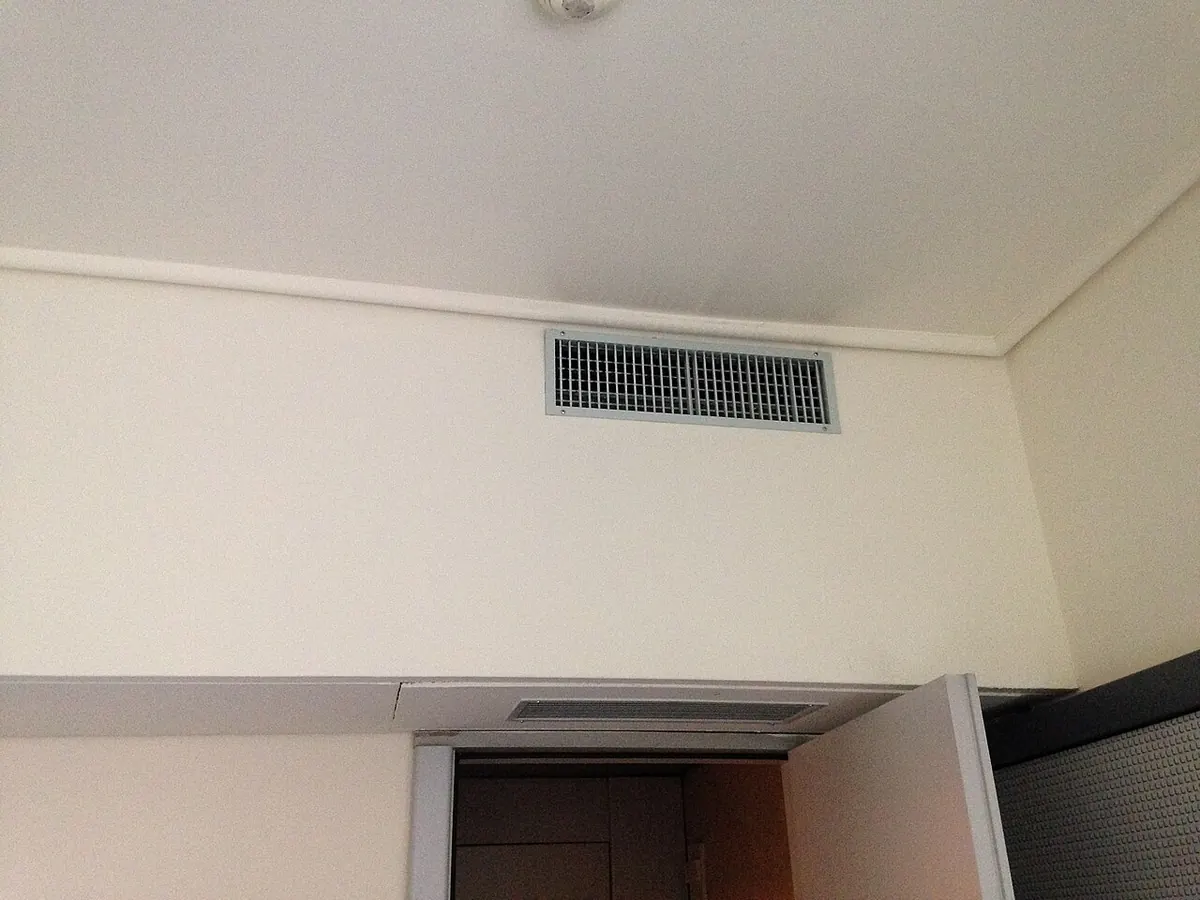
Why Your Mini Split Smells
A mini split that smells musty, sour or chemical when it starts is telling the truth about a specific fault. This post explains what each smell means — the coil, the drain, or the refrigerant — and what fixes it.
Cape Coral Mini Split Pros · 2026-11-18 · Troubleshooting
The short version
Problem: A musty smell is growth on the indoor coil or in the drain — the most common smell in a Florida home.
What to do: A sour smell is a drain that is blocked or a pan that is holding water.
When to call: A chemical smell is refrigerant, and it needs a diagnosis — switch the unit off and call.
The musty smell: growth on the coil
A musty smell when the unit starts, which fades after a few minutes, is growth on the indoor coil or in the drain pan. The coil sits behind the filter, and it collects the dust and growth that the filter lets through, especially in a humid home. The coil is cold and wet while the unit runs, and the dust on it is food for the growth. When the unit starts, the fan blows the smell into the room; when the unit has been running for a few minutes, the smell fades, because the coil is cold and the growth is not being disturbed.
The fix is a deep clean of the indoor coil and a drain flush. The coil is cleaned with a coil cleaner that does not bend the fins, and the drain pan under the coil is checked for level and for cracks. The filter is cleaned too, because a dirty filter is what let the dust reach the coil in the first place. If the smell comes back quickly after a clean, the drain or the coil needs a closer look — the growth is coming from somewhere, and the clean only removed what was there.
The sour smell: the drain
A sour smell is a drain that is blocked or a pan that is holding water. Algae and biofilm grow in the warm, dark, wet drain line and clog it, so condensate backs up into the indoor unit and sits in the pan. The water in the pan is warm and still, and the growth in it is what smells sour. The first sign is often the smell; the second sign is water on the floor, when the pan overflows.
The fix is a drain flush and a check of the fall of the line, so water runs downhill away from the house. The pan is checked for level and for cracks, because a unit that is not level does not drain. A drain pump, where one is fitted, is tested. The leaking-water post on this site explains the drain picture in full, and the maintenance page explains the flush and the check.
The chemical smell: refrigerant
A chemical smell — sweet, sharp, or like a solvent — is refrigerant, and it is the smell that needs a diagnosis. Refrigerant is odourless in small amounts, but a leak that is big enough to smell is a leak that is big enough to matter. The leak is at a flare joint, at the coil, or at a valve, and the cooling has weakened with it. Switch the unit off and call — a refrigerant leak is not a smell to live with, and a unit that is low on refrigerant and keeps running will damage the compressor.
The diagnosis reads the pressures and temperatures while the unit runs, and a leak detector finds the leak before any refrigerant is added. A leak at a flare joint or a valve can usually be repaired: the joint is remade, the system is pressure-tested, vacuumed and recharged. A leak at a corroded outdoor coil is different — the coil itself is failing, and that is the fault that most often turns a repair into a replacement.
The burning smell: electrical
A burning smell — hot plastic, hot dust, or hot wiring — is electrical, and it is the smell that means switch the unit off now. The causes are a motor that is overheating, a capacitor that has failed, a connection that has loosened and is arcing, or dust that has built up on a heater element. A burning smell is not a smell to wait out: switch the unit off at the remote and at the disconnect, and call. Do not run the unit to see if the smell goes away.
The diagnosis checks the electrical connections for tightness and for heat damage, the motors for wear, and the capacitors for failure. A loose connection that is arcing is a fire risk, and a motor that is overheating is a motor that is about to fail. The repair page on this site explains the diagnosis order, and the maintenance page explains the electrical check that catches a loose connection before it arcs.
The smell that comes and goes
A smell that comes and goes is usually the coil or the drain, and the pattern is the clue. A smell that appears when the unit starts and fades after a few minutes is growth on the coil. A smell that appears when the unit has been off for a while and disappears when it has been running is the drain — the water that sat in the pan while the unit was off. A smell that appears only in Dry mode is the coil again, because Dry mode runs the fan slow and the air spends longer on the coil.
The fix for a smell that comes and goes is the same as the fix for a smell that stays: a deep clean of the indoor coil, a drain flush, and a filter clean. If the smell comes back quickly, the cause is still there — a drain with too little fall, a pan that is not level, a coil that is coated and needs more than a surface clean. The maintenance visit is the moment the cause is found, not just the smell.
Prevention: the filter and the visit
The filter is the owner habit that prevents the smell, and it is the one that matters most between visits. A filter that has not been cleaned in months lets the dust reach the coil, and the dust on the coil is food for the growth. The filter comes out from behind the front panel, rinses under a tap, dries completely, and goes back in — every few weeks in a Florida home, and more often with pets or dust.
The maintenance visit is the prevention for the rest: the indoor coil is inspected and cleaned, the drain line is flushed, the pan is checked for level and for cracks, and the outdoor unit is inspected for salt-air corrosion. A coil that is cleaned once a year and a filter that is cleaned every few weeks are the two habits that keep a Florida mini split from smelling. The maintenance page on this site explains the routine in full.
The room that smells after a holiday
A unit that has been off for a while — a holiday, a season away, a guest suite that sat empty — is a unit that smells when it starts again. The water that sat in the drain pan while the unit was off grew, and the dust that sat on the coil grew with it. The smell appears when the unit starts and fades after a few minutes, because the coil is cold and the growth is not being disturbed once the unit has been running. The fix is the same as any musty smell: a deep clean of the indoor coil, a drain flush, and a filter clean.
The prevention is the maintenance visit before the season starts: the indoor coil is inspected and cleaned, the drain line is flushed, the pan is checked for level and for cracks, and the filter is cleaned. A guest suite that is used seasonally needs a unit that can sit idle and start cleanly — which is why the visit is scheduled before the season, not after the smell. The maintenance page on this site explains the routine in full.
Related: Mini split maintenance · Mini split humidity guide · mini split help in Cape Coral, FL
Related reading
 Troubleshooting
Mini Split Leaking Water in Cape Coral, FL
Water on the floor under a mini split in Cape Coral, FL is usually a blocked drain — algae and biofilm in the warm, dark, wet line. This post explains the drain, the pan, the level, and why water outside the house is normal and water inside is not.
 Troubleshooting
Mini Split Not Cooling in Cape Coral, FL
A mini split that will not cool in Cape Coral, FL is usually telling the truth about a short list of faults. This post walks through the causes in the order they are checked — mode, filter, coil, drain, then refrigerant.
 Troubleshooting
Mini Split Making Noise
A mini split that makes a noise it never made before — grinding, rattling, clicking or buzzing — is telling the truth about a specific fault. This post explains what each sound means and what fixes it.
Frequently asked questions
Questions people ask about this topic, answered plainly.
Growth on the indoor coil or in the drain pan — the same warm, damp conditions that clog drains also grow mould and bacteria on the coil. A deep clean of the indoor coil and a drain flush usually clear it. If the smell comes back quickly, the drain or the coil needs a closer look. This post explains each smell.
A drain that is blocked or a pan that is holding water. Algae and biofilm grow in the warm, dark, wet drain line and clog it, so condensate backs up into the indoor unit and sits in the pan. The drain is flushed, the pan is checked for level and for cracks, and the fall of the line is checked.
Refrigerant. A chemical smell — sweet, sharp, or like a solvent — is a leak that is big enough to smell, and big enough to matter. Switch the unit off and call. The leak is found with a leak detector before any refrigerant is added, and a leak at a corroded coil is the fault that most often turns a repair into a replacement.
Electrical — a motor overheating, a capacitor that has failed, or a connection that has loosened and is arcing. Switch the unit off at the remote and at the disconnect, and call. Do not run the unit to see if the smell goes away. A loose connection that is arcing is a fire risk.
Because the coil is cold and the growth is not being disturbed once the unit has been running. A smell that appears when the unit starts and fades after a few minutes is growth on the coil. A smell that appears when the unit has been off for a while is the drain — the water that sat in the pan while the unit was off.
Clean the filter every few weeks, and have the indoor coil cleaned and the drain flushed on a maintenance visit, once a year. A clean filter keeps the dust off the coil, and the dust on the coil is food for the growth. The maintenance page on this site explains the filter, coil and drain routine.
A musty smell is growth on the coil or in the drain, and the growth is mould and bacteria — which is why the smell is taken seriously, and why the coil is cleaned and the drain is flushed. A chemical smell is refrigerant, and a burning smell is electrical — both need the unit switched off and a diagnosis. The repair page explains the order.
Still have questions?
Call Now to reach a local mini split professional — describe the room, the system, and what is happening.
Call now for mini split help
Tap Call Now to reach a local mini split professional. Tell them which room, what the unit is doing, and when it started.
Hours: Mon–Fri 7:00 AM–10:00 PM ET · Sat 8:00 AM–10:00 PM ET · Sun 7:00 AM–9:00 PM ET
Before you call
- Note which room the unit serves and what it is doing — or not doing.
- Check the remote: mode, temperature setting, and whether the display responds.
- Look at the indoor filter and the outdoor unit for leaves, dirt or standing water.
- Note when the problem started and whether it followed a storm or a power outage.
- Check whether your HOA or condo association needs to approve outdoor equipment.