
Mini Split on Sanibel, FL
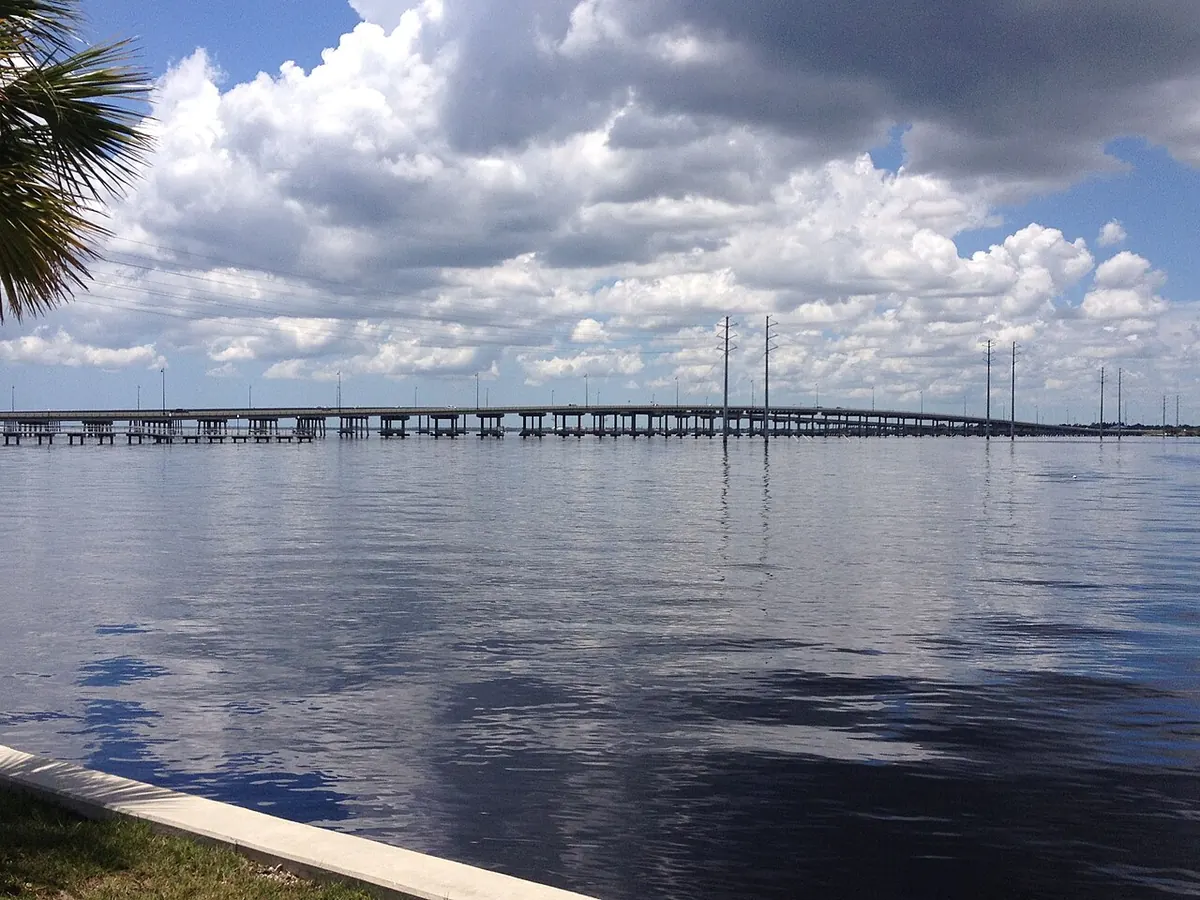
Sanibel is a barrier island southwest of Cape Coral, FL, reached by the Sanibel Causeway. The homes here are close to the Gulf on both sides, the salt air is the strongest in the service area, and the ductless rules are strict: coastal protection, anchoring, and permits before work starts.
Need help with mini split?
Call Now to reach a local mini split professional. Describe the room, the system, and what is happening.
Hours: Mon–Fri 7:00 AM–10:00 PM ET · Sat 8:00 AM–10:00 PM ET · Sun 7:00 AM–9:00 PM ET
Mini splits in Sanibel
Sanibel is a barrier island southwest of Cape Coral, FL, reached by the Sanibel Causeway across San Carlos Bay. It is a narrow island, Gulf on one side and bay on the other, and every home on it is close to salt water. That makes Sanibel the strongest salt-air location in the service area: the outdoor unit lives in salt air every day, and the corrosion protection is not optional — it is the difference between a coil that lasts and a coil that fails in a few years.
The housing on Sanibel is a mix that suits ductless cooling. The island has older beach cottages, stilt homes, and newer homes built after the storms, with lanais, guest suites and additions that central air never reached. Many homes are elevated on pilings, which changes the install: the outdoor unit sits on an elevated platform, the line set runs up to the living level, and the drain falls from a height. A ductless system fits those homes because it needs no ductwork and it is sized to the room.
Salt air is the Sanibel fact that matters most. Florida HVAC sources put unprotected coil life at 3 to 7 years within 10 to 15 miles of salt water, and a Sanibel home is inside that range by a wide margin — the island is a mile or two wide, and no home on it is far from the water. The outdoor unit gets coated coils and cabinets, corrosion-resistant fasteners, and a rinse on every maintenance visit. The corrosion post on this site explains what to look for on the outdoor unit.
Hurricane exposure is the second Sanibel fact. Ian made landfall on Cayo Costa on September 28, 2022, at about 150 mph, a direct hit on this area, and Sanibel took the storm surge and the wind together. The causeway was damaged, and the island was cut off for a time. The outdoor units that survived were the ones that were anchored to wind-rated mounts and elevated above expected flood levels — and on a barrier island, elevation is the rule, not the exception.
Permits on Sanibel go through the City of Sanibel for work inside city limits. In virtually every Florida jurisdiction a mini split install needs at least a mechanical permit, and in most cases a separate electrical permit as well for the new dedicated circuit and disconnect. The Florida Building Code governs, and permits should be pulled by a state-certified or state-registered contractor under Florida Statutes Chapter 489.
Local note
Sanibel is a barrier island reached by the Sanibel Causeway — every home is close to salt water, so coastal corrosion protection is not optional, and the outdoor unit is elevated and anchored as a matter of course.
How mini splits fit homes in Sanibel
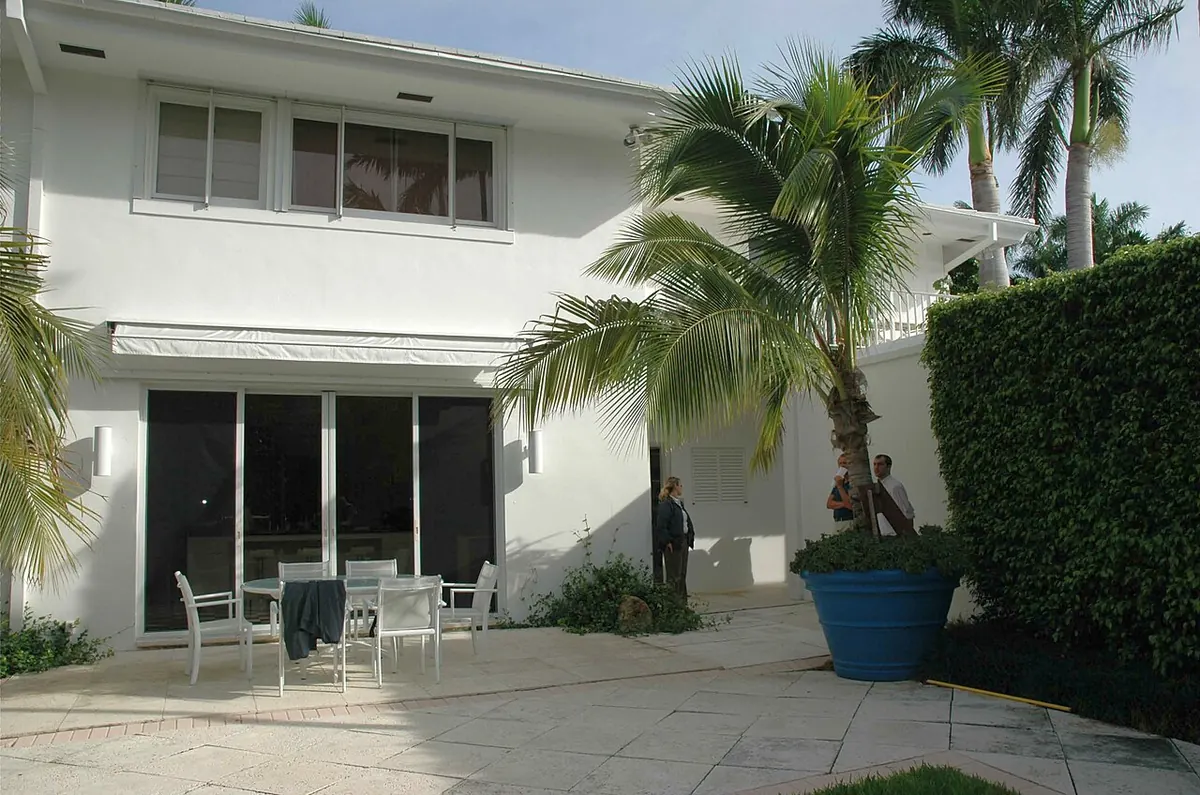
Salt air on a barrier island
A Sanibel home is a salt-air home by definition: the island is a mile or two wide, Gulf on one side and bay on the other, and no home on it is far from the water. The outdoor unit gets coated coils and cabinets, corrosion-resistant fasteners, placement out of direct spray where possible, and a rinse on every maintenance visit. The coil is checked for white crust on the fins, for fins that crumble when touched, and for refrigerant stains at the coil — the early signs of a coil failing in salt air.
The rinse matters more on Sanibel than anywhere else in the service area. Salt sits on the fins and holds moisture against the metal, and the corrosion works faster in the humid island air than it does inland. A coil that is rinsed on every visit lasts longer than a coil that is not, and the difference is measured in years. The corrosion post on this site explains the salt-air picture in full.
Stilt homes and elevated installs
Many Sanibel homes are elevated on pilings, and an elevated home changes the install. The outdoor unit sits on an elevated platform, the line set runs up to the living level, and the drain falls from a height. The indoor unit mounts on the wall in the room that needs it, and the line set route is planned with the elevation in mind — a long vertical run needs the right insulation and the right fall on the drain.
The anchoring is checked too, because a unit on an elevated platform is a unit that catches the wind. The mount is wind-rated, the hardware is corrosion-resistant, and the unit is elevated above expected flood levels. The hurricane-prep guide on this site covers the full checklist.
Hurricanes and the causeway
Sanibel took Ian on September 28, 2022, at about 150 mph, with storm surge and wind together, and the causeway was damaged badly enough to cut the island off for a time. The lesson for a ductless install is the same as anywhere else in the service area, and stricter: anchor to a wind-rated mount, elevate above expected flood levels, and check the system before it runs again after any major storm.
After any major storm, a ductless system is switched off and checked before it runs again — water and electrical equipment do not mix, and a unit that shifted in wind is a unit that will leak refrigerant. The check covers the mounting, the line set, the drain and the electrical, and the system is pressure-tested before it is recharged.
Related reading in Sanibel: Mini split installation · Mini split maintenance · Mini split hurricane prep guide · Hurricane Ian lessons
Mini split services in Sanibel, FL
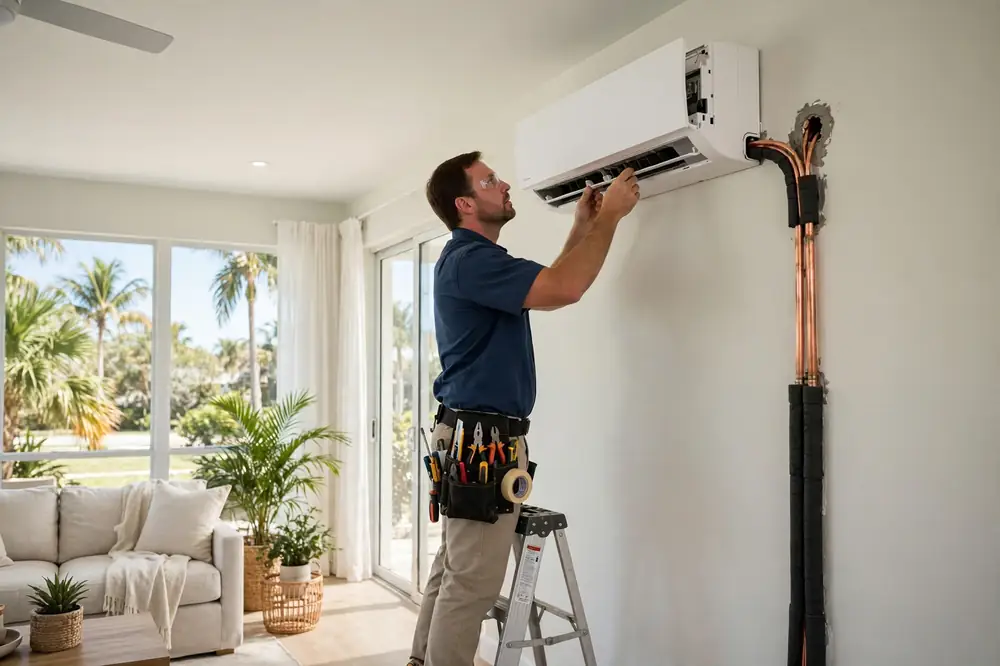 Mini Split Installation
a new ductless system fitted to the room, with the permit and inspection handled in Sanibel.
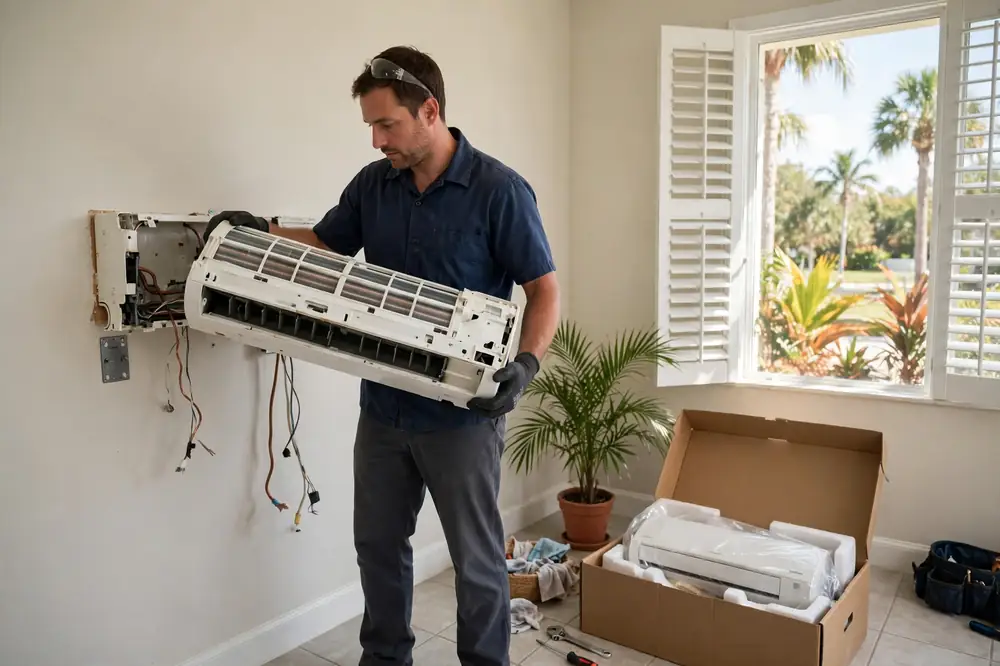 Mini Split Replacement
an old or failing ductless system swapped for a new one, sized to the room in Sanibel.
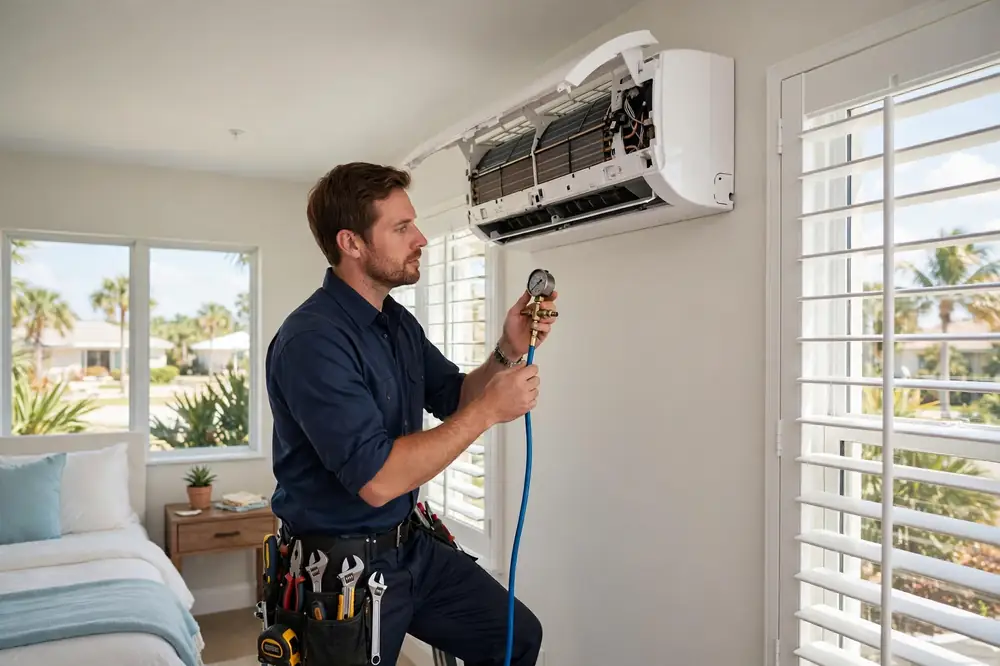 Mini Split Repair
diagnosis and repair when a ductless unit stops cooling, leaks, smells or makes noise in Sanibel.
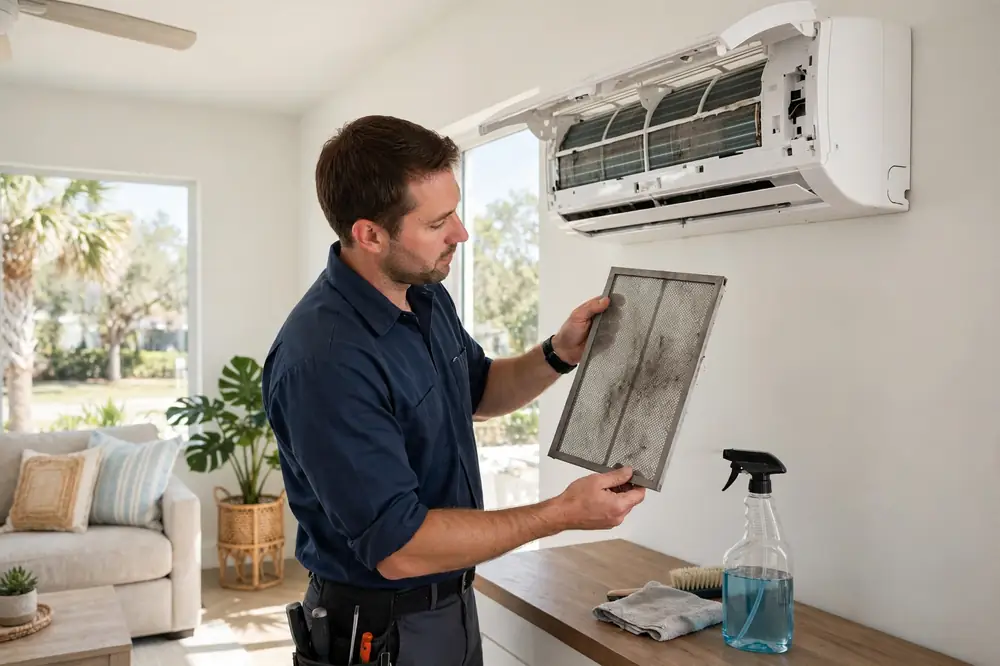 Mini Split Maintenance
cleaning and checks that keep a ductless system cooling, dry and quiet in Sanibel.
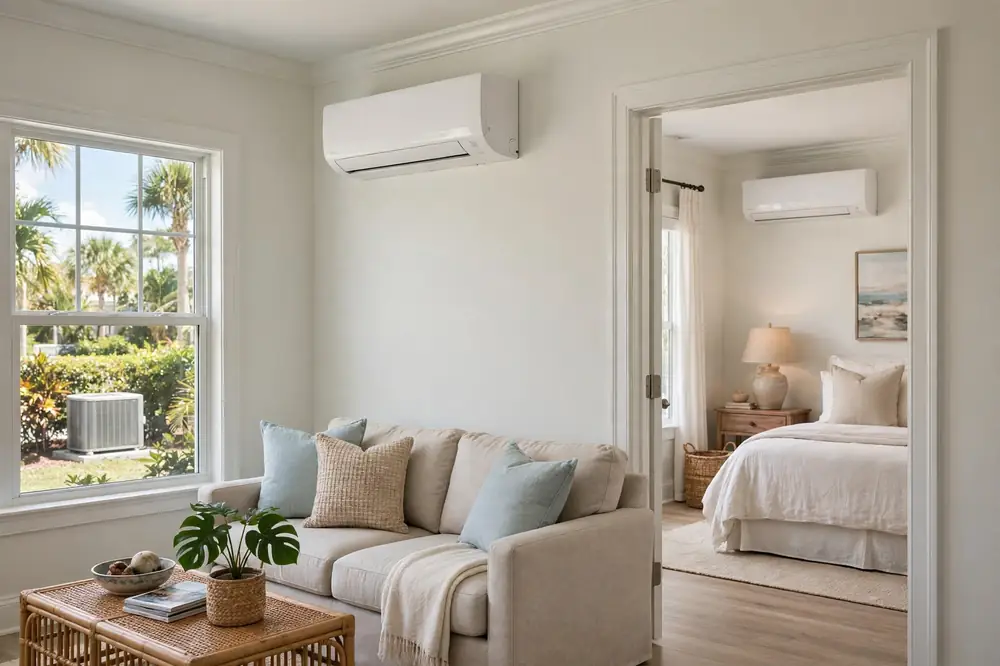 Multi-Zone Mini Split
one outdoor unit cooling several rooms, each with its own temperature in Sanibel.
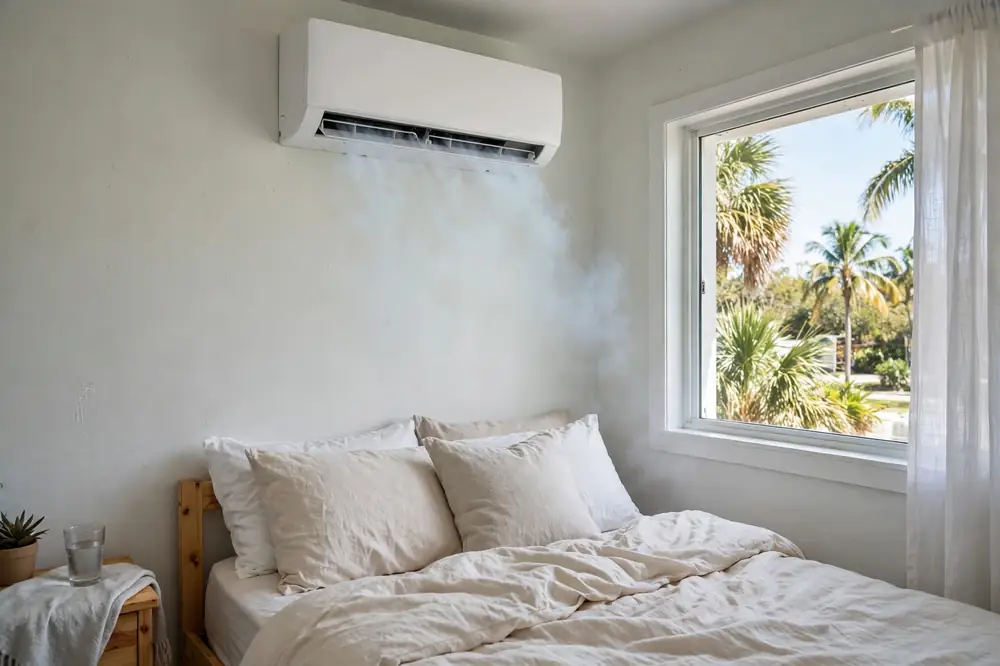 Single-Zone Mini Split
one indoor unit for one room — the garage, the addition, the back bedroom in Sanibel.
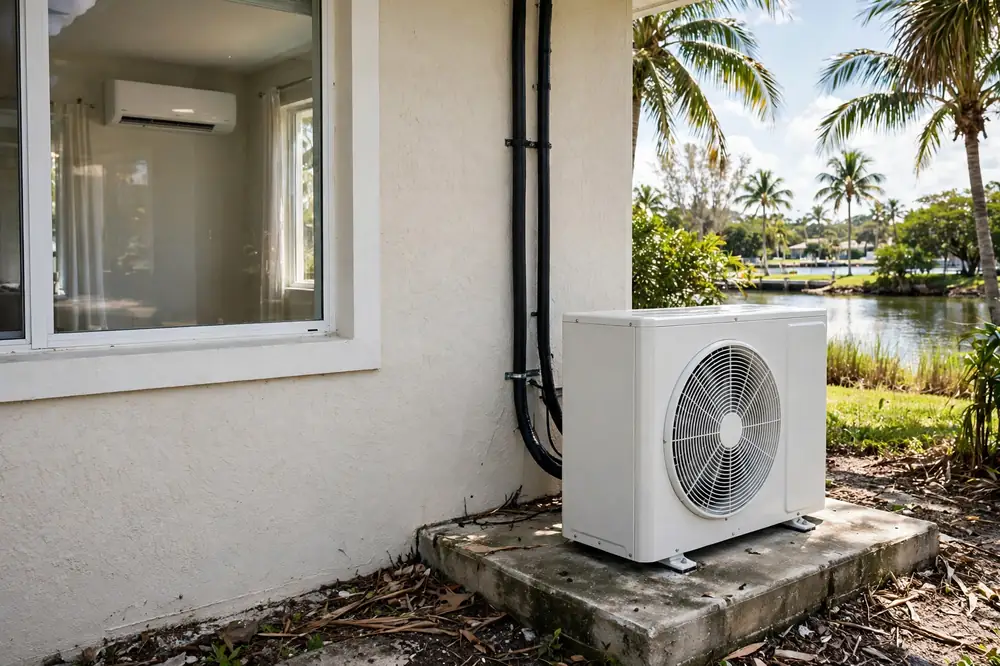 Ductless Heat Pump
cooling in summer and heating on cool winter nights, from one ductless system in Sanibel.
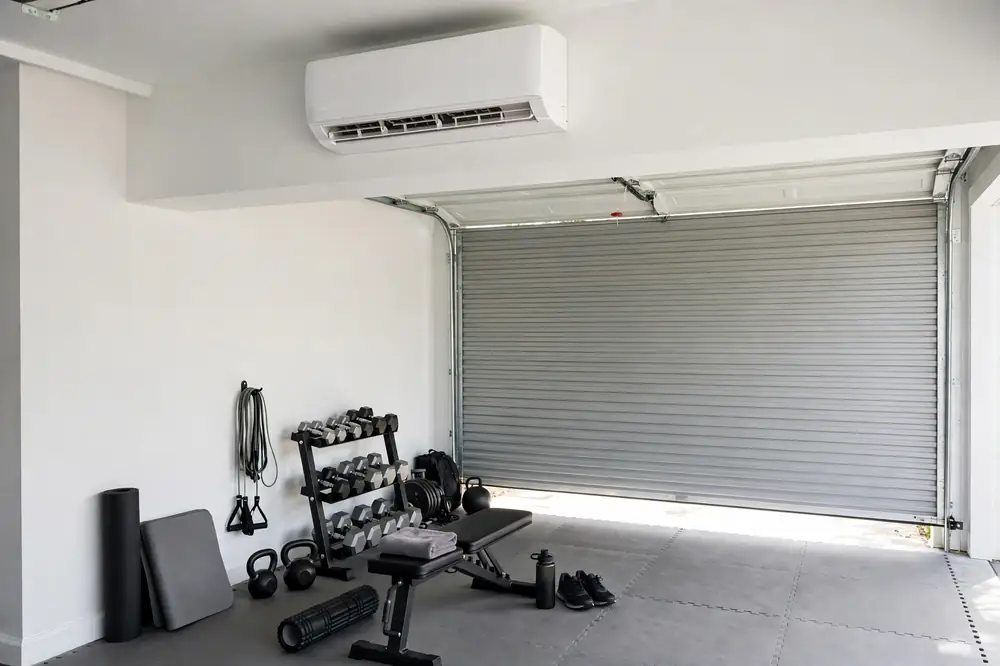 Mini Split for Garage
cooling for a garage, workshop or converted garage that central air never reached in Sanibel.
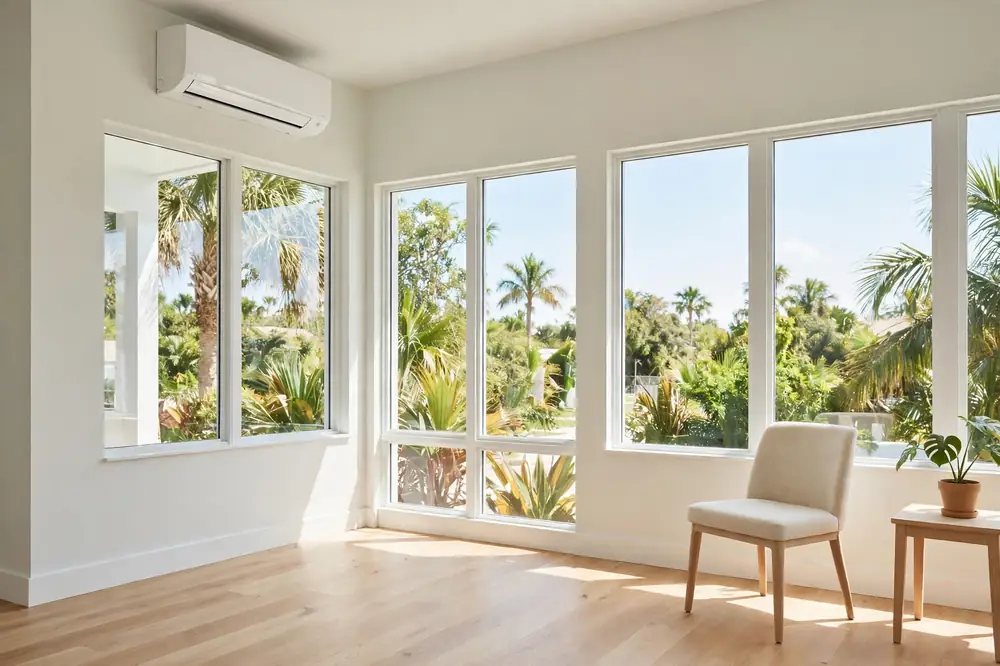 Mini Split for Home Addition
cooling and heating for a new room, with no ductwork to extend in Sanibel.
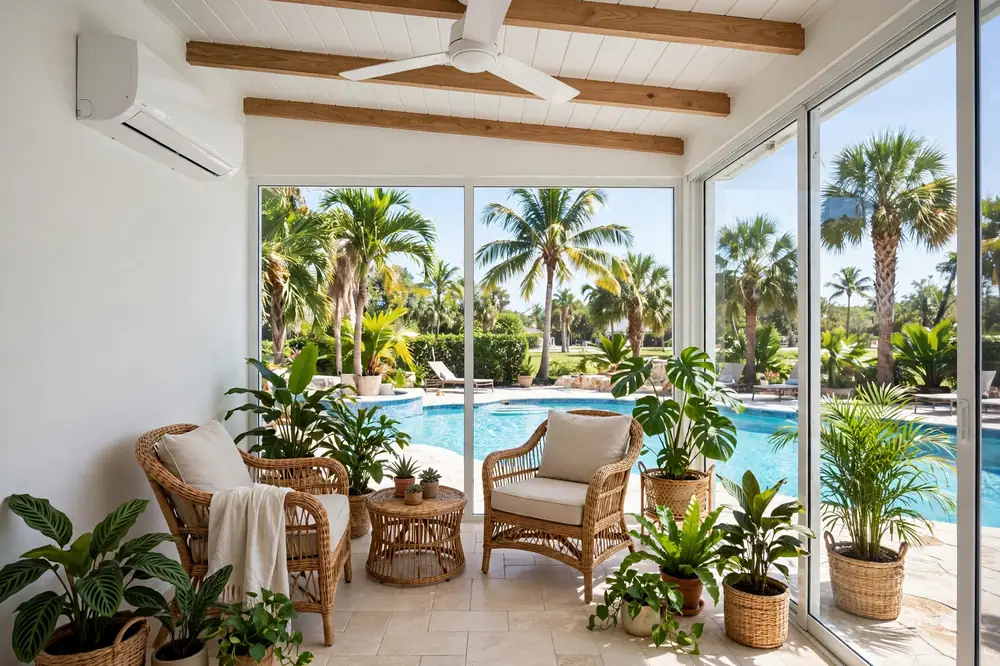 Mini Split for Lanai & Sunroom
cooling for a lanai or sunroom, where glass, sun and humidity meet in Sanibel.
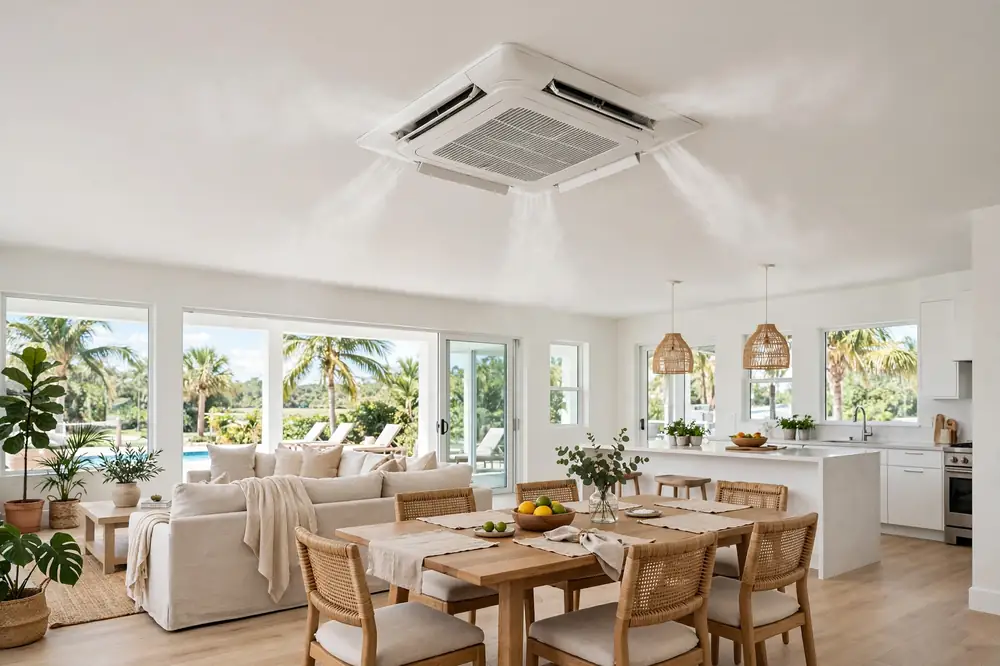 Ceiling Cassette Mini Split
a ceiling-mounted indoor unit for larger rooms and open-plan spaces in Sanibel.
Neighbourhoods covered in Sanibel
- Periwinkle Way
- West Gulf Drive
- East End
- Sanibel-Captiva Road
- Dixie Beach Boulevard
ZIP codes served
Also covered nearby: Fort Myers Beach, Captiva and the wider Lee County area — see the Areas page.



Frequently asked questions
Questions people in Sanibel ask about mini splits, answered plainly.
Yes. Sanibel is a barrier island southwest of Cape Coral, FL, reached by the Sanibel Causeway, and it is served the same way — the same assessment, the same load check, the same permits, and the same salt-air and hurricane rules, applied more strictly because the island is the strongest salt-air location in the service area. Call and describe the room.
In virtually every Florida jurisdiction a mini split install needs at least a mechanical permit, and in most cases a separate electrical permit as well for the new dedicated circuit and disconnect. Permits inside Sanibel city limits go through the City of Sanibel. The permit guide on this site explains the full picture.
Coastal corrosion protection on the outdoor unit — coated coils and cabinets, corrosion-resistant fasteners — placement out of direct spray where possible, and a rinse and inspection on every maintenance visit. No home on Sanibel is far from the water, so the protection is not optional. The corrosion post on this site explains what to look for.
Yes. Many Sanibel homes are elevated on pilings, and a ductless system fits them because it needs no ductwork. The outdoor unit sits on an elevated platform, the line set runs up to the living level, and the drain falls from a height. The assessment plans the line-set route with the elevation in mind.
Yes. A lanai is a glass room, and a glass room is a greenhouse by midday. The load check counts the glass area and direction, the roof and the shade, so the unit is sized to the sun load. The lanai service page on this site explains the glass-room picture in full.
Check the anchoring and the elevation, clear the area around the outdoor unit, and switch the system off before the storm if the home is being left. After the storm, the system is checked before it runs again — the mounting, the line set, the drain and the electrical. The hurricane-prep guide on this site covers the full checklist.
Mini split help in Sanibel?
Call Now to reach a local mini split professional serving Sanibel and the wider Lee County area.
Call now for mini split help in Sanibel, FL
Tap Call Now to reach a local mini split professional. Tell them which room, what the unit is doing, and when it started.
Hours: Mon–Fri 7:00 AM–10:00 PM ET · Sat 8:00 AM–10:00 PM ET · Sun 7:00 AM–9:00 PM ET
Before you call
- Note which room the unit serves and what it is doing — or not doing.
- Check the remote: mode, temperature setting, and whether the display responds.
- Look at the indoor filter and the outdoor unit for leaves, dirt or standing water.
- Note when the problem started and whether it followed a storm or a power outage.
- Check whether your HOA or condo association needs to approve outdoor equipment.