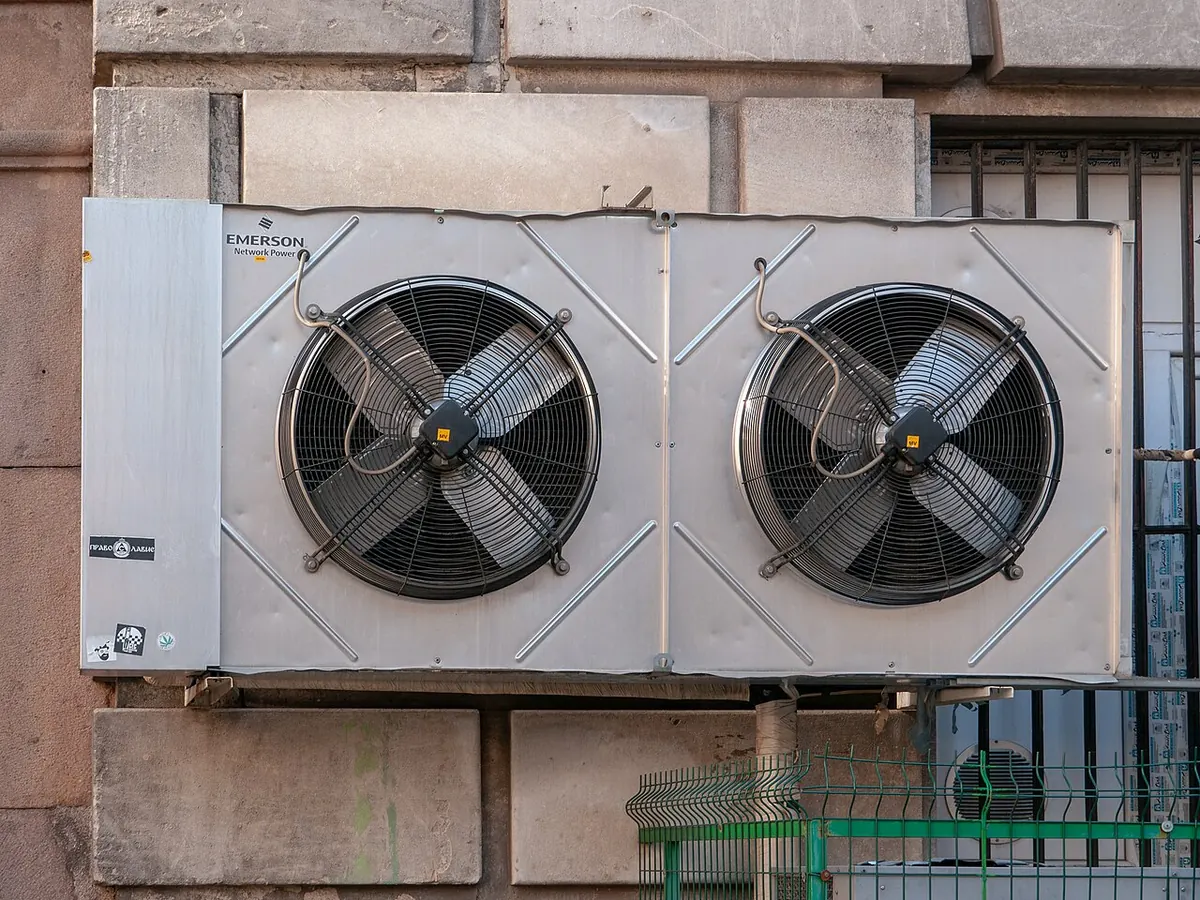
Hurricane Ian Mini Split Lessons for Cape Coral, FL
Ian made landfall on Cayo Costa on September 28, 2022, at about 150 mph, a direct hit on Cape Coral, FL. This post is what the storm taught about mini splits: anchoring, elevation, and the post-storm check.
Cape Coral Mini Split Pros · 2026-11-18 · Hurricanes
The short version
Problem: Ian made landfall on Cayo Costa on September 28, 2022, at about 150 mph — a direct hit on Cape Coral, FL.
What to do: The outdoor units that survived were anchored to wind-rated mounts and elevated above expected flood levels.
When to call: After any major storm, the system is switched off and checked before it runs again.
What Ian did to Cape Coral, FL
Ian made landfall on Cayo Costa on September 28, 2022, at about 150 mph, a direct hit on Cape Coral, FL and the surrounding area. The storm surge and the wind arrived together, and the city — a canal city with more properties at risk of flooding than any other city in Florida — saw water in places that had never seen it. The barrier islands took the worst of it: Sanibel was cut off when the causeway was damaged, Matlacha was badly damaged, and Pine Island was cut off when the bridge and the roads were damaged.
The damage to cooling systems was the same pattern as the damage to everything else: the outdoor unit is the part that lives outside, and the storm is wind and water together. Units that were anchored and elevated survived. Units that were sitting on a low pad, or held by corroded hardware, or placed where the water went, did not. The lesson of Ian is not that a mini split cannot survive a hurricane — it is that the install decides whether it does.
Anchoring: what held and what did not
The outdoor units that survived Ian were the ones that were anchored to wind-rated mounts — bolted to a pad, a wall bracket or an elevated platform, with corrosion-resistant hardware. A unit that is bolted to its mount stays on its mount in wind; a unit that is sitting on its mount does not. The line set is copper and the flare joints are the weak point, so a unit that shifts in wind is a unit that leaks refrigerant, and a unit that is blown off its pad is a unit that is destroyed.
The units that failed were the ones whose hardware had corroded in the salt air before the storm arrived. A corroded bolt is a bolt that snaps, and a mount that loosened over years of salt air is a mount that fails in the first hour of the storm. That is why the anchoring is checked on every maintenance visit: the mount, the bolts, the pad or bracket, and the clearance around the unit. A unit that is anchored and clear is a unit that has a chance in a storm.
Elevation: the water decides
The outdoor units that survived Ian were the ones that were elevated above expected flood levels, and the ones that failed were the ones that were not. Cape Coral, FL has more properties at risk of flooding than any other city in Florida, and a garage floor is low, and a garage is where flood water goes first. An outdoor unit on a low pad in a flood zone is an outdoor unit that will be under water, and an outdoor unit under water is an outdoor unit that needs replacing.
Elevation is a platform, a bracket or a raised pad — high enough that the water that is expected does not reach the unit. The platform is anchored the same way as the pad, and the line set and drain are run with the elevation in mind. The indoor unit is already high on the wall, which is the reason a ductless system survives a flood better than a central system with an air handler on the floor. The hurricane-prep guide on this site covers the elevation for each room type.
The power cut and the surge
Ian took the power out across the area, and the power came back in stages — which is the part of the storm that damages a mini split even when the wind and the water do not. A system that is running when the power goes out and comes back is a system that restarts on a surge, and a surge is what takes out a control board. The units that were switched off before the storm, at the remote and at the disconnect, were the units that did not take a surge on the restart.
The lesson is simple: switch the system off if the home is being left. Switch it off at the remote, and switch it off at the disconnect if the home is being left for the storm. The system will be checked before it runs again after the storm, and a system that was switched off is a system that was protected. The pre-storm check is done early — not on the day the storm arrives — and the switch-off is part of it.
The post-storm check
After the storm, the system is switched off and checked before it runs again — water and electrical equipment do not mix, and a unit that shifted in wind is a unit that will leak refrigerant. The check covers the mounting, the line set, the drain and the electrical. The mounting: has the unit shifted, has the mount loosened, has the pad cracked. The line set: is it kinked, is it torn, is it leaking at a flare joint. The drain: is it blocked, is the pan cracked, is the unit level. The electrical: is the disconnect damaged, is the circuit intact, is there water in the panel.
The system is pressure-tested before it is recharged, because a recharge without a leak repair is a temporary fix. If the refrigerant is low, the leak is found — at a flare joint, at the coil, or at a valve — before any refrigerant is added. If the unit was under water, it is not run until it has been checked by someone who can open it and see the damage. A unit that was under water and is switched on is a unit that can short, and a short is a fire risk.
What changed after Ian
Ian changed how a mini split is installed in Cape Coral, FL, and the change is in the details. The anchoring is checked more carefully, and the hardware is corrosion-resistant as a matter of course. The elevation is higher, and the platform is anchored the same way as the pad. The pre-storm check is done earlier, and the switch-off is part of it. The post-storm check is the rule, not the exception, and the rinse after the storm is part of the check — because a hurricane is salt water and wind together, and the outdoor unit is coated in salt when the storm passes.
The change is also in the record. A home that was rebuilt after Ian is a home whose permits were checked, and an unpermitted install is a question that has to be answered at the worst time. A permitted install with a closed inspection is a record that the work was done to the code. The permits are pulled before work starts, and the inspection closes them after — that is the sequence, and Ian did not change it, but it made the reason for it clearer.
The install that survives the next storm
Ian changed how a mini split is installed in Cape Coral, FL, and the change is in the details. The anchoring is a wind-rated mount with corrosion-resistant hardware, and the unit is bolted to it, not sitting on it. The elevation is above expected flood levels where the site allows, on a platform, a bracket or a raised pad. The coastal protection is coated coils and cabinets, because the storm is salt water and wind together. The permits are pulled before work starts, and the inspection closes them after — the record that the work was done to the code.
The pre-storm check is the other half of the install that survives. The anchoring and the elevation are checked, the area around the outdoor unit is cleared of anything that can become a projectile, the drain and the filter are checked, and the system is switched off if the home is being left. The post-storm check is the rule, not the exception: the mounting, the line set, the drain and the electrical, and the pressure test before the system is recharged. The hurricane-prep guide on this site covers the full checklist.
Related: Mini split installation · Mini split hurricane prep guide · mini split help in Cape Coral, FL
Related reading
 Salt Air
Mini Split Salt-Air Corrosion in Cape Coral, FL
Cape Coral, FL is a canal city on the Gulf, and salt air is the hardest thing a mini split outdoor unit faces. This post explains what salt air does to the coil, how to spot the early signs, and what coastal protection actually does.
 Heating
Mini Split Winter Heating in Florida
Cape Coral, FL winters are mild, and a ductless heat pump heats efficiently when the outdoor temperature is mild. This post explains the Florida winter, the heat pump, and the rooms that need heating as well as cooling.
 Choosing
 a Mini Split Installer in Cape Coral, FL
Choosing a mini split installer in Cape Coral, FL is choosing someone who does a load check, pulls the permits, protects the outdoor unit from salt air, and anchors it for hurricane wind. This post explains what to ask before the work starts.
Frequently asked questions
Questions people ask about this topic, answered plainly.
That the install decides whether the unit survives: anchored to a wind-rated mount, elevated above expected flood levels, switched off before the storm, and checked before it runs again after. Ian made landfall on Cayo Costa on September 28, 2022, at about 150 mph, and the outdoor units that survived were the ones that were anchored and elevated.
Yes, if the home is being left. A system that is running when the power goes out and comes back is a system that restarts on a surge, and a surge is what takes out a control board. Switch it off at the remote, and switch it off at the disconnect if the home is being left for the storm.
The mounting, the line set, the drain and the electrical — before the system runs again. Has the unit shifted, is the line set kinked or torn, is the drain blocked, is the disconnect damaged. The system is pressure-tested before it is recharged, and a unit that was under water is not run until it has been checked.
It can, when it is anchored to a wind-rated mount, elevated above expected flood levels, and checked before it runs again after the storm. No install is hurricane-proof — the prep is what gives the unit a chance. The hurricane-prep guide on this site covers the full checklist.
Above expected flood levels where the site allows. Cape Coral, FL has more properties at risk of flooding than any other city in Florida, and a garage floor is low — a garage is where flood water goes first. Elevation is a platform, a bracket or a raised pad, high enough that the water that is expected does not reach the unit.
Yes. A hurricane is salt water and wind together, and the outdoor unit is coated in salt when the storm passes. The coil is rinsed as part of the post-storm check — a hose and a rinse nozzle, washing salt off the fins and the cabinet — because salt that sits on the fins holds moisture against the metal, and the corrosion works faster in the humid air after a storm.
Ian did not change the code itself — the Florida Building Code governs, and the permits are pulled the same way — but it changed how the code is applied in practice: the anchoring is checked more carefully, the elevation is higher, and the post-storm check is the rule. The permit guide on this site explains the permits, and the hurricane-prep guide explains the checklist.
Still have questions?
Call Now to reach a local mini split professional — describe the room, the system, and what is happening.
Call now for mini split help
Tap Call Now to reach a local mini split professional. Tell them which room, what the unit is doing, and when it started.
Hours: Mon–Fri 7:00 AM–10:00 PM ET · Sat 8:00 AM–10:00 PM ET · Sun 7:00 AM–9:00 PM ET
Before you call
- Note which room the unit serves and what it is doing — or not doing.
- Check the remote: mode, temperature setting, and whether the display responds.
- Look at the indoor filter and the outdoor unit for leaves, dirt or standing water.
- Note when the problem started and whether it followed a storm or a power outage.
- Check whether your HOA or condo association needs to approve outdoor equipment.