
Choosing a Mini Split Installer in Cape Coral, FL
Choosing a mini split installer in Cape Coral, FL is choosing someone who does a load check, pulls the permits, protects the outdoor unit from salt air, and anchors it for hurricane wind. This post explains what to ask before the work starts.
Cape Coral Mini Split Pros · 2026-11-18 · Choosing
The short version
Problem: Ask for a load check on the room — not a size copied from a neighbour or a chart.
What to do: Ask who pulls the permits, and confirm they are pulled before work starts.
When to call: Ask about salt-air protection and wind-rated anchoring for the outdoor unit.
The load check: the first question
The first question to ask any installer is about the load check: will the room be measured, and will the unit be sized to the room? A load check measures the room — length, width and ceiling height — and counts the windows and the sun, the insulation, the roof and the use. The result is a size in BTU that matches the room, and the unit is chosen to that size. An installer who sizes by a chart, by the old unit, or by a neighbour room is an installer who is guessing.
The load check matters more than any other step, because the sizing decides everything else. An oversized unit cools fast, shuts off, and never runs long enough to pull moisture out of the air — so the room feels cool and clammy. An undersized unit runs all day and never catches up. Both mistakes come from the same cause: the size was copied, not checked. The sizing guide on this site explains the load check in full.
The permits: who pulls them
The second question is about the permits: who pulls them, and are they pulled before work starts? A mini split install in Cape Coral, FL needs a mechanical permit and usually a separate electrical permit for the new dedicated circuit and disconnect. The permits should be pulled by a state-certified or state-registered contractor under Florida Statutes Chapter 489, and the inspection closes them after the work is done.
A permit pulled by the contractor is a permit whose work is inspected, and an inspected job is a job that was checked against the code. A job without a permit has no inspection, and a job without an inspection has no check that the work meets the code. The permit guide on this site explains the full picture, including the Notice of Commencement rule and the 180-day rule.
Salt air and hurricanes: the local questions
The third question is about salt air: what coastal protection goes on the outdoor unit? Cape Coral, FL is a canal city on the Gulf, and Florida HVAC sources put unprotected coil life at 3 to 7 years within 10 to 15 miles of salt water. The outdoor unit needs coated coils and cabinets, corrosion-resistant fasteners, and placement out of direct salt spray where possible. An installer who does not mention salt air is an installer who has not thought about Cape Coral, FL.
The fourth question is about hurricanes: how is the outdoor unit anchored, and how high is it elevated? Ian made landfall on Cayo Costa on September 28, 2022, at about 150 mph, and the outdoor units that survived were the ones that were anchored to wind-rated mounts and elevated above expected flood levels. The hurricane-prep guide on this site covers the full checklist, and the corrosion post explains what to look for on the outdoor unit.
The install: what the day looks like
The install day is the mounting, the line set, the outdoor unit and the testing — and the questions to ask are about each one. The indoor unit mounts high on the wall, level, with clear airflow. The line set runs through a small sealed wall opening, and the drain runs downhill away from the house. The outdoor unit sits on a pad, a wall bracket or an elevated platform, anchored and elevated. The line set is pressure-tested, vacuumed and charged, and the system is run through Cool, Heat and Dry modes.
The handover is the last part of the install day, and it is the part that is most often skipped. The remote, the modes and the filter are explained — which mode to use, when Dry mode helps, and how the filter comes out for cleaning. The inspection is arranged, and the permit is closed only after the inspector has seen the work. An installer who explains the handover is an installer who expects the owner to use the system well.
The maintenance question
The fifth question is about maintenance: what is covered, and how often? A mini split in Cape Coral, FL runs most of the year in salt air and high humidity, and the maintenance visit covers the filter, the indoor coil, the drain, the outdoor coil and cabinet, the fan, the refrigerant pressures, the electrical connections, and the remote and the modes. The visit is also the moment a slow change is caught — a coil starting to corrode, a drain starting to slow, a pressure reading that has drifted.
The filter is the owner job between visits: it comes out from behind the front panel, rinses under a tap, dries completely, and goes back in — every few weeks in a Florida home. An installer who explains the filter at handover is an installer who expects the unit to last. The maintenance page on this site explains the routine in full.
The record: what to keep
The sixth question is about the record: what paperwork will be kept? The permit, the inspection record and the handover notes are the record that the work was done to the code and inspected and passed, and they stay with the house. A home that is sold, insured or refinanced is a home whose permits are checked, and a permitted install with a closed inspection answers the question before it is asked.
The Notice of Commencement, where one was filed, is kept with the permit and the inspection record, in the same file. The handover notes record the size of the unit, the refrigerant it was charged with, and the date of the install. A file with the permit, the inspection record, the Notice of Commencement and the handover notes is the complete record of the install — and an installer who keeps that record is an installer who stands behind the work.
The questions after the install
The install is not the end of the questions — it is the start of them. The first maintenance visit is scheduled at handover, and the filter is cleaned before the season starts. The permit is closed by the inspection, and the paperwork is kept with the house papers — the permit, the inspection record, the Notice of Commencement where one was filed, and the handover notes. The record is the answer to the questions that come up years later.
The questions after the install are the same questions as before it, asked again: is the room holding its temperature, is the unit dehumidifying, is the drain clear, is the outdoor unit rinsed. A unit that is understood is a unit that is used well, and a unit that is used well is a unit that lasts. The maintenance page on this site explains the routine, and the handover is the moment it is explained.
Related: Mini split installation · Mini split permit guide for Cape Coral · mini split help in Cape Coral, FL
Related reading
 Refrigerant
R32 Refrigerant and Your Mini Split
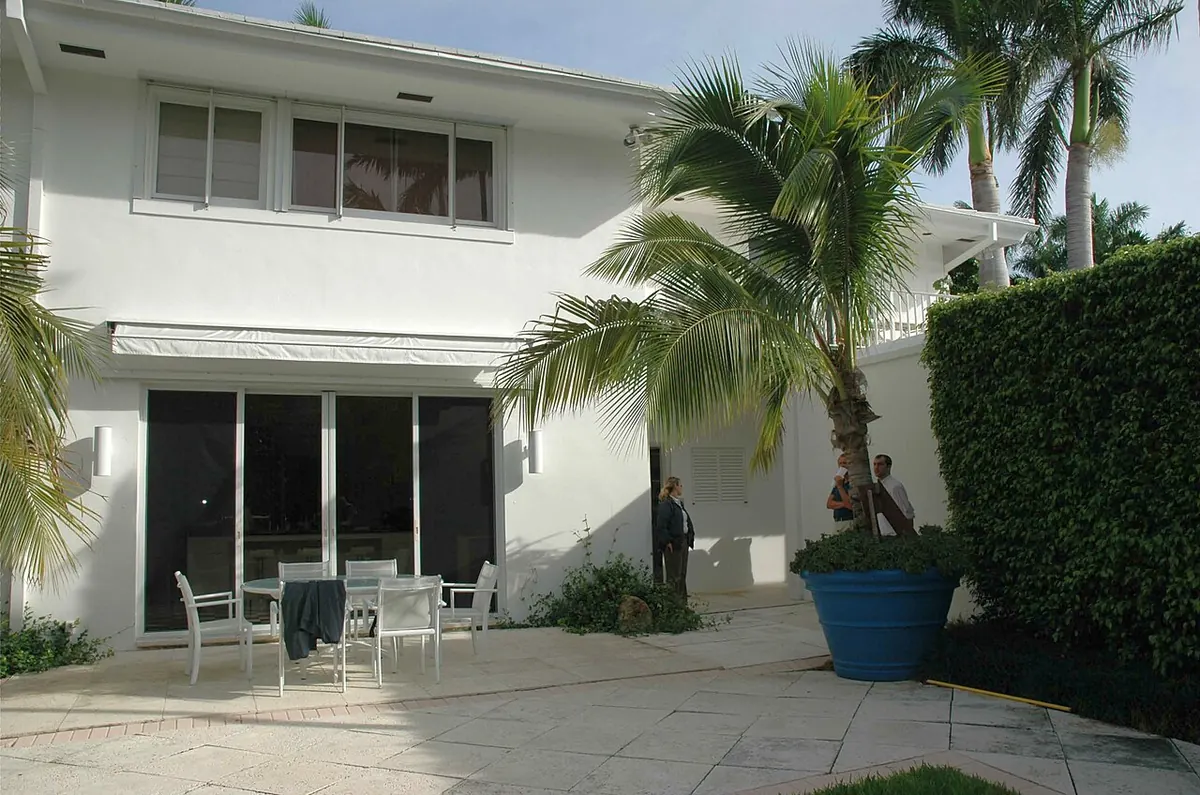
R32 is the current-generation refrigerant for new ductless systems, following the 2025 transition away from R410A. This post explains the transition in plain terms — what it means for a repair, what it means for a replacement, and what it does not mean.
 Hurricanes
Hurricane Ian Mini Split Lessons for Cape Coral, FL
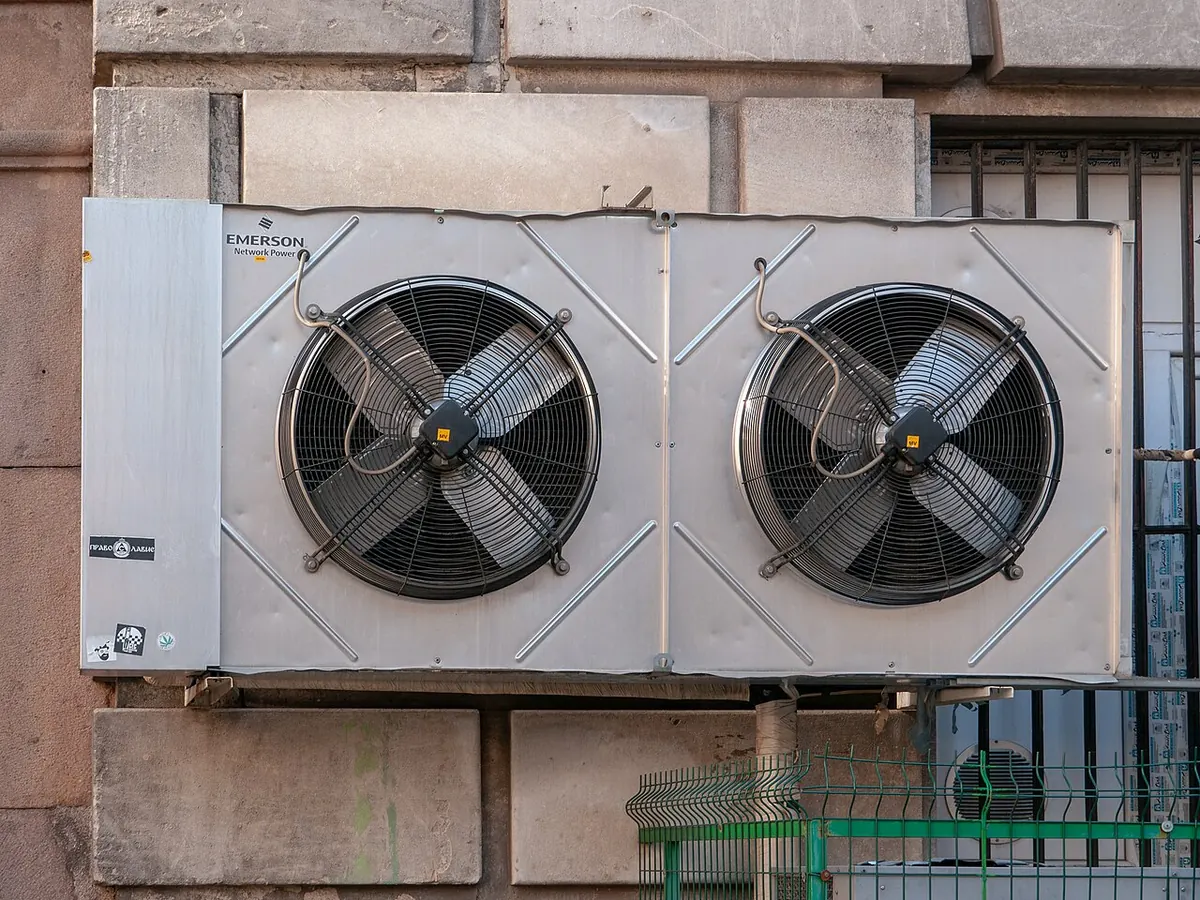
Ian made landfall on Cayo Costa on September 28, 2022, at about 150 mph, a direct hit on Cape Coral, FL. This post is what the storm taught about mini splits: anchoring, elevation, and the post-storm check.
 Heating
Mini Split Winter Heating in Florida
Cape Coral, FL winters are mild, and a ductless heat pump heats efficiently when the outdoor temperature is mild. This post explains the Florida winter, the heat pump, and the rooms that need heating as well as cooling.
Frequently asked questions
Questions people ask about this topic, answered plainly.
Six things: will the room be measured with a load check, who pulls the permits, what coastal protection goes on the outdoor unit, how is it anchored and elevated, what does the maintenance visit cover, and what paperwork will be kept. This post explains each question and why it matters.
Yes. A load check measures the room and counts the windows, the sun, the insulation and the use, and the unit is sized to that load. An installer who sizes by a chart, by the old unit, or by a neighbour room is guessing — and the room pays for it in clammy air or constant running. The sizing guide explains the load check.
Permits should be pulled by a state-certified or state-registered contractor under Florida Statutes Chapter 489. A permit pulled by the contractor is a permit whose work is inspected, and an inspected job is a job that was checked against the code. The permit guide explains the full picture.
Coated coils and cabinets, corrosion-resistant fasteners, and placement out of direct salt spray where possible. Florida HVAC sources put unprotected coil life at 3 to 7 years within 10 to 15 miles of salt water, and a canal-front home in Cape Coral, FL is inside that range. The corrosion post explains what to look for.
To a wind-rated mount — a pad, a wall bracket or an elevated platform — with corrosion-resistant hardware, and the unit bolted to it, not sitting on it. The unit is elevated above expected flood levels where the site allows. Ian made landfall on Cayo Costa on September 28, 2022, at about 150 mph, and the units that survived were anchored and elevated.
The remote, the modes and the filter — which mode to use, when Dry mode helps, and how the filter comes out for cleaning — and the inspection is arranged. The permit, the inspection record and the handover notes are the record of the install, and they stay with the house.
The permit, the inspection record, the Notice of Commencement where one was filed, and the handover notes — the size of the unit, the refrigerant it was charged with, and the date of the install. A home that is sold, insured or refinanced is a home whose permits are checked, and a permitted install with a closed inspection answers the question first.
Still have questions?
Call Now to reach a local mini split professional — describe the room, the system, and what is happening.
Call now for mini split help
Tap Call Now to reach a local mini split professional. Tell them which room, what the unit is doing, and when it started.
Hours: Mon–Fri 7:00 AM–10:00 PM ET · Sat 8:00 AM–10:00 PM ET · Sun 7:00 AM–9:00 PM ET
Before you call
- Note which room the unit serves and what it is doing — or not doing.
- Check the remote: mode, temperature setting, and whether the display responds.
- Look at the indoor filter and the outdoor unit for leaves, dirt or standing water.
- Note when the problem started and whether it followed a storm or a power outage.
- Check whether your HOA or condo association needs to approve outdoor equipment.